


Sustainable architecture, also known as green or eco-friendly architecture, is a design and construction approach that prioritizes environmental and human well-being. It is a response to the environmental challenges we face today and aims to create buildings and urban environments that are in harmony with nature, conserve resources, and promote the health and comfort of their inhabitants.
Contents
The Essence of Sustainable Architecture: Building for a Greener Tomorrow
Sustainable architecture is more than just a buzzword in the design and construction industry. It’s a philosophy, a commitment, and a revolution in the way we build and inhabit our living spaces. As our world grapples with the escalating challenges of climate change, resource depletion, and urbanization, sustainable architecture emerges as a beacon of hope, offering solutions that harmonize human civilization with the environment.
In this comprehensive exploration of sustainable architecture, we delve deep into the principles, significance, and implications of this transformative design approach. From its roots in historical building practices to its critical role in shaping the future of our cities, we will unravel the layers of sustainable architecture and understand what makes it an imperative discipline in today’s world.
Historical Context: Sustainable Architecture’s Timeless Roots
Sustainable architecture, often referred to as green or eco-friendly architecture, may seem like a modern concept, but its origins can be traced back through the annals of human history. Long before the term “sustainability” became a household word, our ancestors were already practicing sustainable building techniques, albeit without a formal label.
The roots of sustainable architecture can be found in the way ancient civilizations adapted their dwellings to the surrounding environment. Indigenous cultures worldwide constructed their homes using local materials, embracing the climatic conditions and the available resources. From the Native American longhouses to the earth-sheltered homes of the Australian Aboriginals, these early architects harmonized their structures with nature, leaving minimal ecological footprints.
The Industrial Revolution and rapid urbanization brought about a departure from these age-old practices. Mass production, urban sprawl, and a reliance on fossil fuels led to the construction of buildings that consumed vast amounts of energy and resources. It became evident that the traditional model of construction was unsustainable and posed a threat to the planet’s ecological balance.
Defining Sustainable Architecture: What Does It Encompass?
At its core, sustainable architecture is a multifaceted approach that aims to create buildings and urban environments that promote ecological health, resource conservation, and human well-being. It is not limited to the architectural design alone but encompasses a holistic perspective that considers the entire lifecycle of a building. Let’s break down the fundamental principles of sustainable architecture:
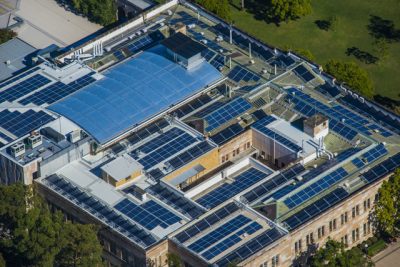
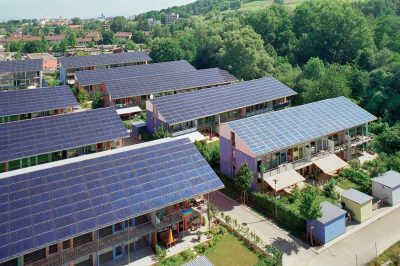
1. Energy Efficiency: Sustainable architecture prioritizes energy efficiency through design and technology. This includes optimizing building orientation to maximize natural light and ventilation, employing high-performance insulation, and integrating energy-efficient HVAC systems. Additionally, it often incorporates renewable energy sources such as solar panels, wind turbines, and geothermal heating and cooling systems.
2. Resource Conservation: Minimizing resource consumption is a cornerstone of sustainability. Sustainable architecture encourages the use of recycled, reclaimed, and low-impact materials. It also emphasizes efficient construction practices to reduce waste. Moreover, the focus is on designing structures that can be easily deconstructed or repurposed at the end of their life cycle.
3. Water Efficiency: Efficient water use is another crucial aspect of sustainable architecture. This includes rainwater harvesting, low-flow plumbing fixtures, graywater recycling systems, and sustainable landscaping practices that reduce the need for irrigation.
4. Healthy Indoor Environment: Sustainable buildings prioritize the well-being of their occupants. Natural ventilation, abundant daylight, and the use of non-toxic, low-VOC (volatile organic compound) materials create indoor environments that enhance air quality and occupant comfort. Additionally, sustainable architecture promotes biophilic design, which connects people with nature within the built environment.
5. Site Selection and Design: Careful consideration of a building’s location is fundamental to sustainable architecture. It involves choosing sites that minimize environmental impact, preserving green spaces, and mitigating urban heat island effects through green roofs and urban forests.
6. Biodiversity and Ecosystem Preservation: Sustainable architecture often integrates landscaping and green infrastructure to support local biodiversity and enhance urban ecosystems. Green roofs, vertical gardens, and permeable pavements are examples of such features that can contribute to the overall environmental health of an urban area.
7. Adaptability and Longevity: Sustainable buildings are designed with adaptability in mind. This means that structures are intended to serve multiple purposes and accommodate changing needs over time. Their longevity is enhanced through durable construction methods and materials, reducing the need for frequent renovations or replacements.
What Does Sustainability Mean in Architecture?
There are cities around the world with populations numbering in the millions. These cities have irregular and dense construction patterns that threaten both the environment and the health of the people living within and around them.
The main reason for this threat is the construction of buildings that are incompatible with the environment and human health. However, when we investigate the question of what sustainable architecture is, we see that it is possible to address this issue.
Sustainable architecture’s fundamental principle is to create buildings that use energy resources at a minimum, are in harmony with nature, and do not harm human health. Today, it is not just a marginal ecological idea but a necessity. Sustainable architecture is also referred to as green architecture or environmental architecture.
Implementing this architectural form can prevent resource depletion and lead to the development of a settlement form that is compatible with human health.
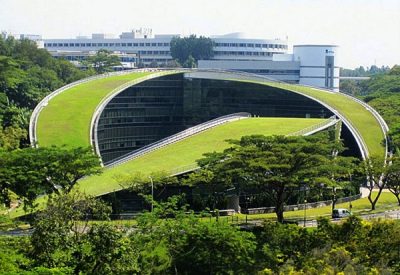
Sustainable Resource Consumption for Balanced Resource Use
The depletion of natural resources is a major threat to humanity. Given the increasing migration from rural areas to cities and the rising demand for multiple dwellings worldwide, it is expected that the construction sector will always be in demand. However, we can only prevent this situation from becoming a threat to the world through sustainable architecture.
Sustainable architecture envisions energy consumption based on autonomous and renewable sources. For example, meeting the electrical energy needs of a building using technologies like wind turbines and solar panels specific to the building’s location is among the fundamental principles of sustainable architecture.
It should be noted that the goal of sustainable architecture is not to offer a lifestyle far from urban living. On the contrary, it aims to provide an architectural form that is in harmony with nature and humans without giving up urban life, modern life, and technological possibilities.
Architecture and Harmony
Throughout history, it is possible to see that architectural forms have been in harmony with geography. For example, in Scandinavia, durable trees like beech are used in house construction, while in Yemen, skyscrapers made of mud can be seen.
To prevent excessive resource consumption, it is necessary to highlight the region’s renewable resources. One of the fundamental principles of sustainable architecture is this.
Sustainable architecture advocates the use of environmentally appropriate resources instead of standard materials in building construction. Of course, this usage is accomplished by strengthening the materials. Additionally, it is essential to position the building according to the geographical conditions of the region and design it in a way that prevents damage from natural disasters.
In standard architecture, no matter how well buildings are constructed, they tend to deteriorate over time. For example, skyscrapers, also known as high-rises, remain standing thanks to constantly maintained installations, and without these installations, the collapse of skyscrapers is possible. However, sustainable architecture offers an environmentally friendly and self-renewing alternative. In this regard, we can confidently say that it is the architecture of the future and can minimize environmental problems.
In the field of sustainable architecture, the book “Sustainable Homes” contains examples of future homes that explain how we can leave more environmentally friendly homes for the future in a simple way.
Click Here to Buy the Book: Sustainable Homes
The Role of Architects and Designers
Architects and designers will play a pivotal role in shaping the future of sustainable architecture. They must continually adapt, innovate, and embrace eco-conscious design practices. Sustainability will become an inherent part of architectural education and practice, ensuring that the next generation of buildings aligns with environmental stewardship.
A Sustainable Future Awaits
Sustainable architecture is not just an option; it is a necessity in our rapidly changing world. As climate change accelerates and natural resources become scarcer, the role of sustainable architecture in creating a more harmonious, environmentally responsible future becomes increasingly vital.
From the roots of indigenous construction practices to cutting-edge green buildings and smart cities, the journey of sustainable architecture is one of evolution, adaptation, and innovation. As we look to the future, it is clear that sustainable architecture is not a passing trend; it is the future of architecture itself.
Incorporating the principles of energy efficiency, resource conservation, water efficiency, healthy indoor environments, and site design, sustainable architecture offers a path to a greener and more sustainable tomorrow. Its significance extends to economics, human well-being, and global environmental responsibility, making it a pivotal discipline in the modern world.
As architects, designers, builders, and communities collaborate to embrace sustainable architecture, we step closer to the realization of a world where our built environment exists in harmony with the natural world. The future is bright, and it is sustainable.



Leave a Comment