
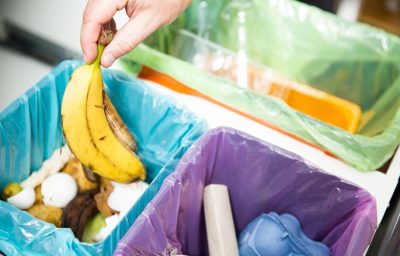

Household waste, also known as municipal waste, is waste generated from households and is the responsibility of the municipality for its management. It can include waste originating from residences, or waste with similar content or structure from commercial, industrial, and institutional sources.
Household waste is categorized into the following components:
- Mixed household solid waste
- Recyclable waste (such as cardboard, glass, metal packaging waste)
- Hazardous waste from households (batteries, paint cans, light bulbs, etc.)
- Commercial and institutional waste (waste from businesses, schools, and other public buildings)
- Garden, market, and street waste (green waste)
- Household-qualifying industrial solid waste
- Sidewalk, street, and square debris
- Bulky waste (furniture, etc.)
Contents
- 0.1 Examples of Household Solid Waste
- 0.2 Examples of Household Liquid Waste
- 0.3 Recyclable Household Waste
- 0.4 Non-Recyclable Household Waste
- 0.5 Household Waste Generation
- 0.6 Disposal of Household Waste
- 1 FAQs: Household Waste
Examples of Household Solid Waste
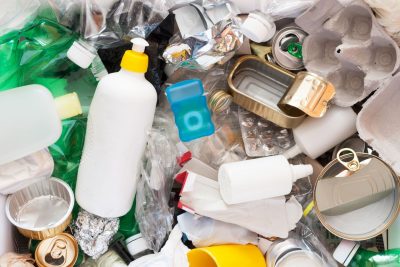
Household solid waste includes food waste, discarded household items, packaging materials (glass bottles, paper, cardboard, tin cans), and combustible waste (ashes).
Examples of Household Liquid Waste
Household liquid waste refers to harmful liquid household waste that can cause environmental pollution. Examples include bleach, liquid oils, liquid soap, shampoo, vinegar, saltwater, detergents, syrups, pickle juices, and wastewater.
Furthermore, household waste can be classified into recyclable household waste and non-recyclable household waste.
Recyclable Household Waste
Recyclable household waste includes materials such as iron, copper, batteries, plastics, aluminum, rubber, glass, paper, wood, composites, steel, and organic waste, as well as vehicle tires.
Non-Recyclable Household Waste
Non-recyclable household waste consists of items like mirrors, carbon paper, light bulbs, food-contaminated papers, processed fruits, fluorescent bulbs, and substances like gasoline, which cannot be recycled.
In recent times, issues related to solid waste have become one of our country’s most significant environmental problems. Population growth and industrialization have led to an increase in the amount of solid waste generated, especially in large cities. Changes in consumption habits have also rapidly altered waste composition.
Household Waste Generation
In our country, approximately 30 million tons of household waste are generated annually, with a per capita household waste generation rate of 1.14 kg according to 2012 data.
The per capita household waste generation rate continues to rise each year, highlighting the importance of public awareness and integrated waste management. Integrated waste management places waste prevention at the forefront. To prevent waste generation, consumers should reconsider their shopping choices and refuse items they don’t need, opting for shopping based on actual needs.
The second priority in the waste management hierarchy is waste reduction. This involves finding alternative materials for everyday items that turn into waste. The hierarchy of integrated waste management includes reuse, recycling, energy recovery, and disposal.
Disposal of Household Waste
According to waste regulations, individuals and organizations generating household solid waste and household-qualifying industrial solid waste are obligated to prepare their waste in the form required by the largest administrative authority of the municipality and locality, such as residences and workplaces.
Collected household-qualifying waste is transported and disposed of in accordance with the provisions of the Regulations. Household waste should not be mixed with medical waste during collection. If mixed, it will be considered medical waste.
One of the most pressing issues related to household waste is its sheer volume. In many regions, the amount of waste generated continues to rise, largely driven by population growth and changing consumer behaviors. This increase poses significant challenges for waste management infrastructure, including collection, transportation, and disposal. Inefficient waste management can lead to environmental degradation, health hazards, and resource depletion.
FAQs: Household Waste
Why is household waste management important?
Household waste management is critical for environmental protection, conserving natural resources, and public health. Effective household waste management serves the purpose of preserving limited landfill space and reducing environmental pollution. Additionally, recycling and waste reduction practices offer economic and environmental benefits.
How do I manage household waste?
1. Composting Organic Waste
Consider starting a compost bin for organic waste like food scraps and yard trimmings. Composting not only reduces the amount of waste sent to landfills but also produces nutrient-rich compost that can be used to enrich your garden soil.
2. Reduce Single-Use Items
Minimize the use of single-use products, such as disposable plastic plates, cups, and utensils. Opt for reusable alternatives made of glass, metal, or bamboo to reduce the amount of waste generated.
3. Practice the Three Rs
Embrace the “Reduce, Reuse, Recycle” mantra. Reduce your consumption of unnecessary items, find creative ways to reuse products, and make sure to recycle materials like paper, cardboard, glass, and plastic in accordance with your local recycling guidelines.
4. Proper Disposal of Hazardous Waste
Handle hazardous household waste, such as batteries, paints, and chemicals, with care. Follow your local guidelines for the safe disposal of these materials to prevent environmental contamination.
5. Stay Informed
Keep yourself informed about local waste collection schedules, recycling programs, and any changes in waste management regulations. Stay engaged with community efforts to promote responsible waste disposal and recycling.
6. Teach and Involve Family Members
Educate your family members, especially children, about the importance of proper waste management. Encourage everyone to participate in recycling and waste reduction practices at home.
7. Support Community Initiatives
Get involved in or support local community initiatives and recycling programs. Participating in neighborhood clean-up events and sharing knowledge with your community can contribute to a cleaner environment.
By incorporating these additional steps into your household waste management routine, you can significantly reduce your environmental impact and promote sustainable practices.
How can I identify recyclable materials in my home?
To separate recyclable materials from your household waste, you can pay attention to symbols on packaging. For example, recyclable plastic bottles often have labels such as “PET” or “HDPE.” Additionally, you can look for recycling symbols on paper and cardboard products.
How can I generate less household waste?
To reduce household waste generation, you can develop mindful consumption habits. Avoiding single-use products, preferring packaging-free items, and buying sustainable products can help reduce household waste. Additionally, preventing food waste and reusing or recycling items are essential steps in waste reduction.





Leave a Comment