


Contents
- 1 Brief overview of the growing trend of eco-friendly hotels in Sri Lanka
- 2 The Importance of Sustainable Tourism and its Impact in Sri Lanka
- 3 Understanding Eco-Friendly Hotels
- 4 Why Choose Eco-Friendly Hotels in Sri Lanka?
- 4.1 Discuss the Benefits of Staying in Eco-Friendly Hotels
- 4.2 Is Sri Lanka Eco-Friendly?
- 4.3 Why is Sri Lanka So Clean?
- 4.4 The Role of Eco-Friendly Hotels in Promoting Environmental Sustainability and Local Cultures
- 4.5 The Role of Eco-Friendly Hotels in Promoting Environmental Sustainability and Local Cultures
- 5 The 10 Best Eco-Friendly Hotels in Sri Lanka
- 5.1 1.Jetwing Vil Uyana, Sigiriya
- 5.2 2. Tri Lanka, Koggala Lake
- 5.3
- 5.4 3. Ulagalla by Uga Escapes, Anuradhapura
- 5.5 4. The Rainforest Ecolodge, Sinharaja
- 5.6 5. Wild Coast Tented Lodge, Yala
- 5.7 6. Cinnamon Wild Yala
- 5.8 7. Heritance Kandalama, Dambulla
- 5.9 8. Santani Wellness Resort and Spa, Kandy
- 5.10 9. Gal Oya Lodge, near Gal Oya National Park
- 5.11 10. The Frangipani Tree by Edwards Collection, Thalpe Beach
- 6 Eco-Friendly Products and Practices in Sri Lankan Hotels
- 7 Eco Tourism in Sri Lanka
- 8 Selecting the Right Eco-Friendly Hotel
- 9 Eco-Friendly Adventures and Activities in Sri Lanka
- 10 Travel Tips and Safety in Sri Lanka
- 11 Best Times and Locations for Eco-Friendly Travel in Sri Lanka
- 12 Environmental Challenges and Solutions in Sri Lanka
- 13 FAQs about Eco-Friendly Travel in Sri Lanka
- 13.1 1. What makes a hotel in Sri Lanka eco-friendly?
- 13.2 2. Are eco-friendly hotels more expensive than regular hotels?
- 13.3 3. Can I participate in any eco-friendly activities while staying at these hotels?
- 13.4 4. How do I ensure that my trip to Sri Lanka is eco-friendly?
- 13.5 5. What kind of wildlife can I expect to see in Sri Lanka?
Brief overview of the growing trend of eco-friendly hotels in Sri Lanka
The growing trend of eco-friendly hotels in Sri Lanka represents a significant shift in the hospitality industry towards sustainability and environmental responsibility. This movement is driven by a growing global consciousness about the impact of travel on the environment and a rising demand among travelers for more sustainable and responsible travel options.
Sri Lanka, renowned for its stunning natural beauty, rich biodiversity, and cultural heritage, has recognized the importance of preserving its pristine environments and local communities. This recognition has led to an increase in eco-friendly hotels that aim to minimize their ecological footprint while providing high-quality experiences for their guests.
These eco-friendly hotels range from luxury resorts to budget-friendly accommodations, each incorporating sustainable practices in unique ways. Key features often include the use of renewable energy sources, water conservation methods, waste reduction and recycling programs, and the integration of eco-friendly materials and designs in construction. Many of these hotels also focus on protecting local wildlife habitats, supporting conservation efforts, and promoting the cultural heritage of the island.
Furthermore, these eco-friendly hotels are not just confined to remote or rural areas. They are emerging across the country, including urban centers like Colombo, where they contribute to green initiatives within the cityscape.
The trend is also creating a positive ripple effect in the local economy. By sourcing locally produced goods and employing local staff, these hotels are supporting sustainable community development. They often engage guests in cultural and environmental activities, such as local cooking classes, traditional craft workshops, and guided nature excursions, which further promote responsible tourism.
In essence, the rise of eco-friendly hotels in Sri Lanka is a response to the global call for more sustainable travel practices. It reflects a commitment to preserving the island’s natural beauty and cultural integrity for future generations, while still offering memorable and enriching experiences for travelers. This trend is positioning Sri Lanka not just as a tourist destination, but as a leader in sustainable tourism.
The Importance of Sustainable Tourism and its Impact in Sri Lanka
Sustainable tourism plays a crucial role in Sri Lanka, a country renowned for its breathtaking landscapes and rich cultural heritage. Embracing eco-friendly practices in tourism not only helps in preserving these natural and cultural treasures but also contributes significantly to the local economy. This form of tourism ensures that the environmental impact is minimized, while maximizing the positive experiences for both tourists and local communities. As highlighted in the article “What is Sustainability“, understanding the core principles of sustainability is key to appreciating its impact. In Sri Lanka, this approach has led to the development of numerous eco-friendly hotels, conservation projects, and community-driven initiatives, all of which collectively work towards a sustainable future for the island nation.
Understanding Eco-Friendly Hotels
What Makes a Hotel Eco-Friendly
An eco-friendly hotel is one that actively minimizes its impact on the environment through sustainable practices and resource-efficient operations. These hotels integrate environmental considerations into every aspect of their business, from construction to daily management. Key characteristics of an eco-friendly hotel include:
Energy Efficiency: Utilizing renewable energy sources like solar or wind power, employing energy-efficient lighting and appliances, and implementing measures to reduce overall energy consumption.
Water Conservation: Implementing water-saving devices, recycling water for on-site use, and ensuring responsible water management practices.
Sustainable Building Materials: Using eco-friendly, non-toxic, and locally sourced materials in construction and interior design.
Waste Reduction and Recycling: Reducing waste generation through minimization strategies, comprehensive recycling programs, and composting.
Eco-Friendly Amenities: Offering guests organic, biodegradable, or recycled products, from toiletries to bedding.
Local and Organic Food: Prioritizing the use of local, organic, and ethically sourced food in their restaurants to reduce carbon footprint and support local communities.
Promoting Biodiversity: Engaging in practices that protect and enhance local biodiversity, such as native landscaping, wildlife conservation efforts, and avoiding harmful chemicals.
Social Responsibility: Engaging and benefiting the local community through employment opportunities, fair labor practices, and supporting local businesses and crafts.
Educating Guests: Providing information and opportunities for guests to engage in sustainable practices during their stay.
By adhering to these practices, eco-friendly hotels not only lessen their environmental impact but also offer a unique and enriching experience for their guests, aligning the comforts of hospitality with the principles of sustainability.

The Concept and Importance of Eco-Friendly Hotels in the Context of Sri Lanka
Eco-friendly hotels in Sri Lanka are more than just a niche in the hospitality industry; they are a reflection of the country’s commitment to preserving its natural beauty and cultural heritage. Sri Lanka, an island nation known for its stunning beaches, lush rainforests, and rich biodiversity, has embraced the concept of eco-friendly hotels as part of a broader sustainable tourism strategy. This approach is vital for several reasons:
1. Environmental Preservation: Sri Lanka’s diverse ecosystems, from its coastal areas to its mountainous regions, are home to unique flora and fauna. Eco-friendly hotels play a critical role in conserving these natural environments by minimizing their ecological footprint, protecting wildlife habitats, and supporting conservation initiatives.
2. Cultural Sustainability: These hotels often incorporate local culture into their operations, from architecture that reflects traditional styles to the use of local art and crafts. This not only helps preserve and promote Sri Lanka’s cultural identity but also ensures that tourism development benefits local communities.
3. Economic Benefits: By focusing on sustainability, eco-friendly hotels contribute to the local economy. They often employ local staff, source locally-produced goods, and invest in community projects, thus ensuring that the benefits of tourism are widely distributed.
4. Promoting Responsible Travel: Eco-friendly hotels in Sri Lanka educate and encourage tourists to be mindful of their environmental impact. By offering experiences like guided nature walks, wildlife safaris, and cultural tours, these hotels foster a deeper appreciation for the environment and local culture among visitors.
5. Setting a Global Example: As climate change and environmental degradation become increasingly pressing issues worldwide, Sri Lanka’s commitment to eco-friendly hospitality sets an important precedent. It shows how the tourism sector can operate responsibly and sustainably, balancing economic growth with environmental stewardship.
6. Resilience in the Face of Climate Change: With its geographical location, Sri Lanka is susceptible to the impacts of climate change, such as rising sea levels and extreme weather events. Eco-friendly hotels, through their sustainable practices, contribute to the resilience of both the local environment and the tourism industry.
Eco-friendly hotels in Sri Lanka are not just accommodations; they are vital components of a sustainable tourism model that benefits the environment, the economy, and the local communities, while offering visitors a unique and authentic experience.
How Do You Know if a Hotel is Environmentally Friendly?
Determining whether a hotel is truly environmentally friendly involves looking beyond surface-level green claims and assessing its commitment to sustainable practices. Here are key indicators to consider:
1. Certifications and Awards: Look for eco-certifications from reputable organizations. Certifications like the Green Key, LEED (Leadership in Energy and Environmental Design), and EarthCheck indicate that the hotel meets stringent environmental standards.
2. Sustainable Practices in Operations: Check if the hotel employs sustainable practices such as using renewable energy sources, water conservation systems, recycling programs, and non-toxic cleaning supplies.
3. Eco-Friendly Amenities: Environmentally friendly hotels often provide organic or locally sourced toiletries, use linen and towel reuse programs, and furnish rooms with sustainable materials.
4. Waste Management: Effective waste reduction and recycling strategies are key. This includes composting food waste, minimizing single-use plastics, and having a comprehensive recycling program.
5. Energy Efficiency: Look for hotels that utilize energy-efficient lighting, heating, and cooling systems. Some may even use renewable energy sources like solar panels.
6. Water Conservation Efforts: Eco-friendly hotels often have measures in place to reduce water consumption, such as low-flow showerheads and toilets, and systems for rainwater harvesting and greywater reuse.
7. Support for Local Community: Ethical environmental practices extend to supporting the local community. This can include employing local staff, sourcing food locally, and engaging in community outreach programs.
8. Transparency in Reporting: A genuinely eco-friendly hotel will be transparent about its sustainability efforts and achievements. Check their website or sustainability reports for detailed information.
9. Guest Education and Engagement: Environmentally friendly hotels often provide information and opportunities for guests to participate in sustainable practices during their stay.
Why Choose Eco-Friendly Hotels in Sri Lanka?
Discuss the Benefits of Staying in Eco-Friendly Hotels
Staying in eco-friendly hotels in Sri Lanka offers a multitude of benefits that extend beyond the conventional expectations of a hotel stay. These benefits encompass environmental, cultural, and personal aspects.
Environmental Conservation: By choosing eco-friendly hotels, you actively contribute to the preservation of Sri Lanka’s natural beauty. These hotels are designed to have a minimal environmental impact, often using sustainable energy sources, reducing waste, and conserving water. This commitment to the environment ensures that the diverse ecosystems, from pristine beaches to lush forests, are protected for future generations.
Cultural Immersion and Support: Eco-friendly hotels in Sri Lanka are often deeply rooted in local culture. They provide an authentic experience by incorporating local architectural styles, art, and cuisine. This not only enriches your travel experience but also supports local artisans, farmers, and businesses, fostering community development and cultural preservation.
Health and Wellbeing: Many eco-friendly hotels offer organic, locally-sourced food, reducing your exposure to harmful pesticides and promoting better health. The serene and natural settings of these hotels also provide a peaceful retreat, allowing you to unwind and reconnect with nature.
Educational Opportunities: These hotels often create awareness about environmental conservation and sustainable living. Through various activities and information provided, you can learn about local wildlife, conservation efforts, and sustainable practices that you can incorporate into your own life.
Economic Sustainability: By opting for eco-friendly hotels, you’re supporting a model of tourism that prioritizes long-term economic sustainability over short-term gains. This approach ensures that tourism revenue contributes to the welfare of local communities and the conservation of natural resources.
Personal Satisfaction: Knowing that your stay is minimizing your carbon footprint and contributing positively to the environment and local community adds a layer of satisfaction and fulfillment to your travel experience.
In essence, choosing eco-friendly hotels in Sri Lanka isn’t just about finding a place to stay; it’s about making a responsible choice that benefits the environment, supports local communities, enhances your travel experience, and aligns with a sustainable future.
Is Sri Lanka Eco-Friendly?
Sri Lanka’s approach to environmental conservation and sustainability showcases its commitment to being eco-friendly. The country has made significant strides in integrating sustainable practices into various sectors, including tourism, agriculture, and energy. For instance, Sri Lanka is known for its rich biodiversity and extensive national parks, which are crucial for wildlife conservation. Additionally, the government and various organizations have initiated numerous projects focusing on renewable energy, waste management, and conservation, aiming to preserve the island’s natural beauty and resources.
However, like many countries, Sri Lanka also faces environmental challenges. Rapid development, deforestation, and pollution are ongoing issues that the country is actively working to address through various environmental policies and community-driven initiatives.
Why is Sri Lanka So Clean?
One of the reasons for Sri Lanka’s cleanliness can be attributed to the strong cultural values of its people, who often take pride in maintaining a clean and tidy environment. Regular public cleanliness campaigns, strict waste management laws, and community efforts contribute significantly to keeping the streets and public spaces clean.
Moreover, Sri Lanka’s commitment to eco-friendly practices in its tourism industry also plays a vital role. Many eco-friendly hotels and resorts practice rigorous waste management and cleanliness protocols, setting an example and raising awareness among both locals and tourists about the importance of maintaining a clean environment.
“Sri Lanka has been recognized for its significant efforts in environmental conservation, ranking second in the Yale University’s 2020 Environmental Performance Index for South Asia.”
This fact underscores Sri Lanka’s commitment to environmental stewardship and its ongoing efforts to maintain its status as an eco-friendly destination.
The Role of Eco-Friendly Hotels in Promoting Environmental Sustainability and Local Cultures
Eco-friendly hotels in Sri Lanka play a pivotal role in promoting environmental sustainability and local cultures, functioning as more than just places for travelers to stay. They act as stewards of both the environment and the cultural heritage of the region.
Environmental Sustainability: These hotels are at the forefront of implementing sustainable practices, such as using renewable energy sources, water conservation, and waste reduction. By doing so, they help preserve Sri Lanka’s natural landscapes and biodiversity. These practices not only reduce the hotels’ carbon footprint but also set a standard for environmental responsibility that can inspire other businesses and individuals.
Cultural Preservation: Eco-friendly hotels often integrate local culture into their operations, which is vital for preserving and showcasing Sri Lanka’s rich heritage. This integration can be seen in the architecture, which often reflects traditional styles, the use of local art and crafts in decoration, and the inclusion of local cuisine in their menus. By doing this, they provide guests with an authentic Sri Lankan experience, while also supporting local artisans, farmers, and culinary traditions.
Community Engagement: Many eco-friendly hotels in Sri Lanka are involved in community engagement and development projects. These range from providing employment opportunities to local residents, sourcing products and services locally, to participating in or initiating community-based projects. This engagement ensures that the benefits of tourism are felt at a local level and contribute to the economic and social wellbeing of the communities.
Education and Awareness: By prioritizing sustainability and cultural preservation, these hotels educate and raise awareness among their guests about the importance of these issues. Many offer experiences that allow guests to learn about local ecosystems, wildlife, and cultural practices, fostering a deeper understanding and appreciation among visitors.
Eco-friendly hotels in Sri Lanka are more than just accommodations – they are vital contributors to environmental conservation, cultural preservation, community wellbeing, and education, playing a significant role in the sustainable development of the country’s tourism industry.
The Role of Eco-Friendly Hotels in Promoting Environmental Sustainability and Local Cultures
Eco-friendly hotels in Sri Lanka are instrumental in nurturing environmental sustainability and preserving local cultures. Their role extends far beyond providing accommodations; they are active participants in the sustainable development of tourism.
Championing Environmental Sustainability: These hotels set the bar for sustainable practices in the hospitality industry. They adopt strategies like renewable energy use, effective waste management, and water conservation. By doing so, they not only lessen their ecological footprint but also inspire other businesses to follow suit. Their practices contribute significantly to preserving Sri Lanka’s diverse ecosystems, making them an integral part of the country’s approach to sustainable tourism.
Preserving and Promoting Local Cultures: Eco-friendly hotels are often deeply rooted in the local context. They celebrate Sri Lankan culture through traditional architecture, local art, and cuisine, offering guests an authentic and immersive experience. This approach not only enriches the visitor experience but also bolsters local economies by supporting artisans, farmers, and small businesses.
Engaging with Local Communities: These hotels often play a vital role in community development. By providing employment, sourcing locally, and participating in community projects, they ensure that the benefits of tourism are shared with local residents. This engagement fosters a sense of ownership and pride within the community and promotes a positive, inclusive model of tourism.
Educational Impact: By prioritizing environmental and cultural sustainability, eco-friendly hotels in Sri Lanka educate their guests on these crucial issues. Many offer experiences and activities that bring guests closer to nature and local traditions, enhancing their understanding and appreciation of Sri Lanka’s rich heritage and natural beauty.
In essence, the contribution of eco-friendly hotels in Sri Lanka goes far beyond mere accommodation. They are crucial in promoting environmental stewardship, cultural richness, community engagement, and education, all of which are key to the sustainable development of the tourism industry
The 10 Best Eco-Friendly Hotels in Sri Lanka
1. Jetwing Vil Uyana, Sigiriya
2. Tri by Amaya, Koggala Lake
3. Ulagalla by Uga Escapes, Anuradhapura
4. The Rainforest Ecolodge, Sinharaja
5. Wild Coast Tented Lodge, Yala
6. Cinnamon Wild Yala
7. Heritance Kandalama, Dambulla
8. Santani Wellness Resort and Spa, Kandy
9. Gal Oya Lodge, near Gal Oya National Park
10. The Frangipani Tree by Edwards Collection, Thalpe Beach
Sri Lanka, a paradise isle renowned for its natural beauty and cultural hhttps://www.booking.com/hotel/lk/the-frangipani-tree.en-gb.htmleritage, is also home to some of the world’s most exquisite eco-friendly hotels. These sanctuaries not only offer luxurious accommodations but also exemplify sustainable practices that harmonize with the local environment and culture. Each hotel on this list has been carefully selected for its commitment to environmental stewardship, innovative green practices, and the unique experiences they offer to their guests. Whether nestled in lush rainforests, perched on serene beaches, or hidden within ancient cultural sites, these eco-friendly hotels provide a perfect blend of luxury and sustainability, making your stay in Sri Lanka both memorable and meaningful. Let’s explore the top 10 eco-friendly hotels that are leading the way in sustainable tourism in Sri Lanka.
1.Jetwing Vil Uyana, Sigiriya

Location and Ambiance
Jetwing Vil Uyana is a remarkable eco-friendly resort located in the cultural heartland of Sri Lanka, near the historic Sigiriya Rock Fortress. This luxury resort is a haven of tranquility, set amidst reed beds and paddy fields, creating a unique synergy between rural simplicity and lavish comfort. Its design harmoniously blends with the natural surroundings, offering a peaceful retreat with breathtaking views of the Sri Lankan countryside.
Eco-friendly Features and Practices
Jetwing Vil Uyana is a pioneer in sustainability and eco-conscious hospitality. The resort’s eco-friendly initiatives include:
- A comprehensive water management system that ensures efficient use and recycling of water.
- Energy conservation measures, including solar power and energy-efficient lighting.
- An on-site organic farm that provides fresh produce for the resort’s kitchens, reducing the carbon footprint associated with food transportation.
Unique Amenities or Experiences Offered
Guests at Jetwing Vil Uyana can immerse themselves in a range of unique experiences that highlight the resort’s commitment to eco-luxury:
- Private dining experiences in the midst of paddy fields, offering a taste of traditional Sri Lankan cuisine made with organic ingredients.
- Guided nature walks and bird-watching tours within the resort, showcasing the rich biodiversity of the region.
- Ayurvedic spa treatments that use natural, locally sourced products, ensuring a sustainable and rejuvenating experience.
Awards or Recognitions for Sustainability
Jetwing Vil Uyana’s efforts in sustainable tourism have been widely recognized. The resort has received accolades for:
- Its innovative approach to eco-tourism and commitment to environmental conservation.
- Being a leader in sustainable luxury hospitality in Sri Lanka, setting a benchmark for others in the industry.
Guest Experiences
Review 1: “An unforgettable stay amidst nature. The private nature reserve is a haven for wildlife, and the view of Sigiriya Rock is breathtaking. The hotel’s commitment to sustainability is impressive, from the architecture to the organic meals.”
Review 2: “Jetwing Vil Uyana blends luxury with eco-consciousness seamlessly. The villas are luxurious and private, offering an intimate connection with nature. The staff’s dedication to conservation is truly commendable.”
Review 3: “Staying here was a dream. The guided nature walks and bird watching tours were highlights, offering a chance to see Sri Lanka’s diverse wildlife up close. A perfect blend of luxury and nature.”
A stay at Jetwing Vil Uyana offers a unique opportunity to enjoy the luxuries of a top-tier eco resort while contributing to the preservation of Sri Lanka’s natural and cultural heritage. It stands as a testament to the possibility of blending luxury with environmental responsibility, providing an enriching, sustainable travel experience.
2. Tri Lanka, Koggala Lake

Location and Ambiance
Tri Lanka is a stunning eco-friendly resort nestled on the shores of Koggala Lake in Sri Lanka. Renowned for its contemporary architecture and sustainable design, Tri Lanka offers a tranquil retreat in harmony with nature. The resort’s unique spiral layout and lush green surroundings provide a serene lakeside sanctuary, making it a perfect destination for those seeking a blend of luxury and eco-consciousness.
Eco-friendly Features and Practices
- Tri Lanka’s commitment to sustainability is evident in its eco-friendly practices, which include:
- The extensive use of solar panels to harness renewable energy for the resort’s power needs.
- Rainwater harvesting and water conservation systems to minimize environmental impact.
- Use of locally sourced, sustainable materials in construction and decor, reducing the carbon footprint.
Unique Amenities or Experiences Offered
- Guests at Tri Lanka can enjoy a variety of eco-friendly experiences that emphasize the resort’s dedication to luxury and sustainability:
- Yoga and wellness programs that use natural and organic products, promoting holistic well-being.
- Culinary experiences featuring organic and locally sourced ingredients, showcasing the flavors of Sri Lankan cuisine.
- Guided tours and excursions around Koggala Lake, offering insights into the local ecosystem and wildlife.
Awards or Recognitions for Sustainability
Tri Lanka’s eco-friendly approach has garnered recognition and awards, including:
- Accolades for its innovative sustainable design and eco-conscious operations.
- Praise for its efforts in promoting sustainable tourism and environmental stewardship in Sri Lanka.
Guest Experiences
Review 1: “Tri Lanka is a paradise for eco-travelers. The sustainable design of the resort with its infinity pool overlooking Koggala Lake is stunning. Their wellness programs and organic cuisine are top-notch.”
Review 2: “A serene retreat that beautifully respects the environment. The yoga sessions by the lake were rejuvenating, and the use of local materials in the design adds a unique charm.”
Review 3: “From the eco-friendly architecture to the mindfulness activities, everything at Tri Lanka is designed with sustainability in mind. The lake offers a tranquil setting for kayaking and bird-watching.”
A stay at Tri Lanka is an opportunity to experience eco-friendly luxury at its finest. The resort seamlessly blends modern design with environmental responsibility, offering guests a unique and sustainable way to explore the beauty of Sri Lanka. Tri Lanka proves that it’s possible to enjoy a luxurious getaway while being mindful of the environment and local community, setting a standard for eco resorts in Sri Lanka and beyond.
3. Ulagalla by Uga Escapes, Anuradhapura
Location and Ambiance
Ulagalla by Uga Escapes, situated near the ancient city of Anuradhapura, is a gem among eco-friendly hotels in Sri Lanka. This luxurious resort is set within a sprawling estate, boasting a rich history and a serene natural environment. The property beautifully combines the charm of a bygone era with modern luxury, offering a tranquil and culturally rich experience amidst the lush landscapes of Sri Lanka.
Eco-friendly Features and Practices
Ulagalla’s commitment to sustainability is evident in its eco-friendly initiatives, such as:
- Utilization of solar energy to meet a significant portion of the resort’s power requirements.
- Implementation of organic farming practices within the estate, providing fresh, chemical-free produce for the resort’s dining options.
- A strong focus on water conservation and waste management to minimize the environmental footprint.
Unique Amenities or Experiences Offered
Guests at Ulagalla can enjoy several unique and sustainable amenities and experiences, including:
- Luxurious villas that offer privacy and comfort while being environmentally conscious.
- Opportunities to explore the ancient ruins of Anuradhapura, a UNESCO World Heritage Site, providing a glimpse into Sri Lanka’s rich cultural heritage.
- A variety of outdoor activities such as horseback riding, kayaking, and nature walks, allowing guests to connect with the natural beauty of the region.
Awards or Recognitions for Sustainability
Ulagalla’s dedication to eco-friendly practices has earned it various accolades, including:
- Recognition for its sustainable luxury tourism practices and conservation efforts.
- Awards for being one of the premier eco-friendly resorts in Sri Lanka, showcasing the successful integration of luxury and sustainability.
Guest Experiences
Review 1: “Ulagalla is an oasis of tranquility and luxury. The villas are spacious and beautifully designed, offering complete privacy. Their approach to sustainability, especially the solar farm, is impressive.”
Review 2: “This resort offers a perfect blend of history and nature. Exploring the ancient city of Anuradhapura was enlightening, and the resort’s commitment to eco-friendly practices is admirable.”
Review 3: “Ulagalla is an example of sustainable luxury. The resort’s efforts in preserving the environment, along with activities like horseback riding and nature walks, made our stay exceptional.”
A stay at Ulagalla by Uga Escapes is not just about luxury accommodation; it’s an immersion into an environmentally conscious lifestyle. The resort’s commitment to sustainability, combined with its cultural richness and natural beauty, offers a unique and responsible way to experience the historical and natural wonders of Sri Lanka. Ulagalla stands as a shining example of how eco-friendly hotels can enhance the travel experience while preserving the environment and supporting local communities.
4. The Rainforest Ecolodge, Sinharaja

Location and Ambiance
Nestled within the Sinharaja Forest Reserve, a UNESCO World Heritage Site in Sri Lanka, The Rainforest Ecolodge stands as a prime example of an eco-friendly hotel harmoniously integrated into its natural surroundings. This unique eco resort offers an immersive rainforest experience, allowing guests to connect with the pristine beauty of one of the last remaining tropical rainforests in the world. The lodge’s design and location provide a perfect blend of rustic charm and natural tranquility, offering an escape into the heart of nature.
Eco-friendly Features and Practices
The Rainforest Ecolodge exemplifies environmental sustainability with its eco-friendly practices:
- The use of eco-friendly design elements that minimize the lodge’s impact on the surrounding environment.
- Water conservation measures and responsible waste management practices that help preserve the delicate ecosystem of the rainforest.
- Initiatives to protect and conserve the biodiversity of the Sinharaja Forest, including programs that support wildlife conservation.
Unique Amenities or Experiences Offered
Guests at The Rainforest Ecolodge can indulge in a range of eco-friendly and unique experiences:
- Guided nature walks and bird-watching tours led by experienced naturalists, offering insights into the rich biodiversity of the rainforest.
- Eco-friendly accommodations that blend seamlessly with the environment, providing a comfortable and sustainable stay.
- Educational programs and activities that promote awareness about rainforest conservation and environmental sustainability.
Awards or Recognitions for Sustainability
The commitment of The Rainforest Ecolodge to sustainability has been recognized through:
- Awards and accolades for its eco-friendly design and sustainable tourism practices.
- Recognition as a leading eco resort in Sri Lanka, setting a benchmark for environmentally responsible hospitality.
Guest Experiences
Review 1: “An incredible experience in the heart of the Sinharaja rainforest. The ecolodge’s commitment to conservation is evident in every aspect, from the eco-friendly cabins to the guided forest walks that showcase the rich biodiversity.”
Review 2: “Staying here was like living in a nature documentary. The sounds of the rainforest, the abundance of wildlife, and the eco-conscious design of the lodge made for a truly unique stay.”
Review 3: “A perfect retreat for nature lovers. The guided treks offered a great way to explore the rainforest responsibly.”
Staying at The Rainforest Ecolodge is not just about enjoying the comforts of an eco-friendly hotel; it’s about experiencing the magic of the rainforest in a way that respects and preserves its natural beauty. The lodge’s dedication to sustainability and environmental stewardship makes it a must-visit destination for eco-conscious travelers seeking an authentic and immersive rainforest experience in Sri Lanka.
5. Wild Coast Tented Lodge, Yala

Location and Ambiance
Wild Coast Tented Lodge, is one of the best eco-friendly hotels in Sri Lanka situated on the edge of Yala National Park in Sri Lanka, is an exceptional example of eco-luxury. This unique eco resort is designed to blend seamlessly with the surrounding wilderness, offering guests an immersive experience in one of Sri Lanka’s most renowned wildlife habitats. The lodge’s design reflects the shapes and colors of the natural landscape, providing a perfect balance between comfort and a sense of adventure in the wild.
Eco-friendly Features and Practices
The eco-conscious approach of Wild Coast Tented Lodge is evident in its sustainable practices:
- The use of sustainable materials in construction and an architectural design that minimizes environmental impact.
- Energy conservation initiatives, including the use of solar power and energy-efficient lighting.
- Commitment to wildlife conservation and environmental protection, with practices that support the delicate ecosystem of Yala National Park.
Unique Amenities or Experiences Offered
Guests at Wild Coast Tented Lodge can enjoy a range of eco-friendly and distinctive amenities and experiences:
- Safari tours in Yala National Park, offering a chance to witness Sri Lanka’s diverse wildlife, including leopards, elephants, and a variety of bird species.
- Luxurious tented accommodations that offer an authentic yet comfortable wilderness experience.
- Dining experiences featuring locally-sourced ingredients, emphasizing sustainability and the flavors of Sri Lankan cuisine.

Awards or Recognitions for Sustainability
Wild Coast Tented Lodge has been recognized for its commitment to eco-friendly hospitality, receiving accolades such as:
- Awards for sustainable design and contributions to wildlife conservation.
- Recognition as a leading eco resort in Sri Lanka, known for its innovative approach to sustainable luxury.
Guest Experiences
Review 1: “A luxurious yet eco-friendly experience. The tented lodges are stunning, blending in with the wild surroundings. The safari tours were well-organized, offering close encounters with wildlife.”
Review 2: “Incredible architecture and attention to detail. The lodge’s commitment to the environment and its integration with the landscape of Yala is impressive. The dining experience was exceptional with sustainably sourced ingredients.”
Review 3: “An unmatched wildlife experience. The tents offer both comfort and an authentic feel of living in the wild. The staff’s knowledge about conservation and the local ecosystem added greatly to our stay.”
A stay at Wild Coast Tented Lodge is more than just a holiday; it’s an opportunity to connect with nature in an environmentally responsible way. The lodge’s blend of luxury and sustainability offers a unique way to experience the beauty and diversity of Sri Lanka’s wildlife, making it a top choice for eco-conscious travelers seeking an unforgettable adventure in one of the world’s most remarkable natural settings.
6. Cinnamon Wild Yala

Location and Ambiance
Cinnamon Wild Yala, is one of the best eco-friendly hotels in Sri Lanka located near the famous Yala National Park in Sri Lanka, is a remarkable destination for those seeking an eco-friendly resort experience. This resort combines the thrill of a wildlife safari with the comforts of a luxury hotel, set against the backdrop of the wild and rugged beauty of Yala. The ambiance of Cinnamon Wild Yala is one of harmony with nature, offering guests the chance to experience the wilderness up close while enjoying the serene and natural surroundings.
Eco-friendly Features and Practices
Cinnamon Wild Yala’s dedication to sustainability is evident in various aspects:
- Environmentally sensitive construction and landscaping that minimizes the impact on the local ecosystem.
- Initiatives to conserve energy and water, including the use of solar power and rainwater harvesting systems.
- Active participation in local wildlife conservation efforts, ensuring a responsible coexistence with the surrounding natural habitat.
Unique Amenities or Experiences Offered
Guests at Cinnamon Wild Yala can enjoy unique experiences that emphasize the resort’s commitment to eco-luxury:
- Guided safari tours in Yala National Park, offering the chance to see a diverse range of wildlife in their natural habitat.
- Eco-friendly accommodations that provide comfort and luxury while respecting the environment.
- Dining experiences featuring sustainable and locally sourced ingredients, showcasing the culinary heritage of Sri Lanka.
Awards or Recognitions for Sustainability
Cinnamon Wild Yala has been recognized for its eco-friendly approach, receiving accolades for:
- Its commitment to sustainable tourism practices and environmental stewardship.
- Contributions to wildlife conservation and efforts to promote eco-friendly tourism in Sri Lanka.
Guest Experiences
Review 1: “Cinnamon Wild offers a perfect blend of comfort and wilderness. The proximity to Yala National Park made wildlife sightings frequent and exciting. The hotel’s eco-friendly approach is also noteworthy.”
Review 2: “A memorable stay with nature at your doorstep. The eco-friendly practices, from energy conservation to waste management, are impressive. The food was delicious, with lots of local flavors.”
Review 3: “An eco-paradise for wildlife enthusiasts. The rooms provide stunning views of the surrounding nature. The guided nature walks and bird-watching activities were highlights of our trip.”
A stay at Cinnamon Wild Yala is an opportunity to immerse oneself in the natural beauty of Sri Lanka while contributing to environmental conservation and sustainable tourism. The resort’s blend of eco-conscious practices, luxury amenities, and unique wildlife experiences make it a prime destination for eco-friendly travelers looking to explore Sri Lanka’s rich biodiversity in a responsible and sustainable manner.
7. Heritance Kandalama, Dambulla

Location and Ambiance
Heritance Kandalama, positioned in the cultural heartland of Dambulla, Sri Lanka, is an architectural marvel that seamlessly blends with its surrounding natural landscape. Designed by the renowned architect Geoffrey Bawa, this eco-friendly hotel is perched on the side of a rocky outcrop, offering breathtaking views of the Kandalama reservoir and the Sigiriya rock fortress. The hotel’s design and location provide a unique combination of natural beauty and architectural elegance, making it a standout eco resort in Sri Lanka.
Eco-friendly Features and Practices
The commitment of Heritance Kandalama to environmental sustainability is reflected in its various eco-friendly initiatives:
- The hotel’s design maximizes natural ventilation and lighting, reducing the need for artificial energy sources.
- Implementation of comprehensive water conservation and waste management systems.
- The hotel has a strong focus on biodiversity conservation, with efforts to preserve and enhance the local flora and fauna.
Unique Amenities or Experiences Offered
Guests at Heritance Kandalama can enjoy several sustainable and distinctive amenities and experiences:
- The hotel offers a range of eco-adventures, including bird watching, nature trails, and visits to nearby cultural sites.
- Infinity pools that overlook the scenic landscapes, providing a sustainable yet luxurious swimming experience.
- Gourmet dining options that utilize organic and locally sourced ingredients, showcasing the rich flavors of Sri Lankan cuisine.
Awards or Recognitions for Sustainability
Heritance Kandalama’s dedication to eco-friendly practices has earned it numerous accolades, such as:
- Recognition as one of the first eco-friendly hotels in the world, setting a precedent in sustainable hotel design.
- Awards for its sustainable architecture and commitment to environmental conservation.
Guest Experiences
Review 1: “Staying at Heritance Kandalama was a surreal experience. The hotel’s architecture is breathtaking, and its location offers stunning views of the lake. Their sustainability initiatives are truly inspiring.”
Review 2: “A masterpiece of eco-friendly architecture. The hotel blends into its natural surroundings beautifully, and the views of the Sigiriya rock fortress are amazing. The staff’s commitment to sustainability is commendable.”
Review 3: “An architectural marvel in harmony with nature. The rooms are luxurious and eco-friendly. The proximity to cultural sites like Dambulla Cave Temple made our stay culturally enriching.”
A stay at Heritance Kandalama is more than just a holiday; it’s an immersion into an eco-friendly lifestyle. The hotel’s blend of architectural innovation, environmental responsibility, and luxurious amenities offers a unique and sustainable way to experience the cultural and natural wonders of Sri Lanka. Heritance Kandalama stands as a testament to the possibility of integrating luxury with environmental consciousness, providing an unforgettable stay for eco-conscious travelers.
8. Santani Wellness Resort and Spa, Kandy

Location and Ambiance
Santani Wellness Resort and Spa, nestled in the misty hills near Kandy, Sri Lanka, offers a unique eco-friendly retreat focused on wellness and rejuvenation. This resort is a sanctuary of tranquility, surrounded by lush forests and tea plantations, providing a serene and natural setting that promotes relaxation and healing. The minimalist design and use of natural materials in the architecture enhance the connection with the surrounding environment, creating a harmonious and peaceful ambiance.
Eco-friendly Features and Practices
Santani’s approach to sustainability is evident in its eco-friendly practices:
- The resort employs sustainable architecture with minimal environmental impact, using local materials and eco-friendly construction methods.
- Energy efficiency is a key focus, with the use of solar power and other renewable energy sources to reduce carbon emissions.
- Water conservation efforts include rainwater harvesting and the use of natural springs, ensuring responsible use of water resources.
Unique Amenities or Experiences Offered
Guests at Santani Wellness Resort can enjoy a range of eco-friendly and wellness-focused amenities and experiences:
- Personalized wellness programs that include yoga, meditation, and spa treatments using organic and natural products.
- Healthy and organic dining options, with meals prepared using locally sourced ingredients to support local farmers and reduce the carbon footprint.
- Nature walks and excursions that allow guests to explore the breathtaking landscapes and rich biodiversity of the Kandy region.
Awards or Recognitions for Sustainability
Santani Wellness Resort’s commitment to eco-friendly practices has been recognized with various awards, including:
- Accolades for its sustainable design and innovative approach to wellness tourism.
- Recognition as a leading eco-friendly wellness resort in Sri Lanka, setting a standard for sustainable luxury in the wellness industry.
Guest Experiences
Review 1: “Santani offers a serene escape in the hills of Kandy. The wellness programs, focusing on mind and body rejuvenation, are exceptional. Their use of sustainable materials and practices is admirable.”
Review 2: “A haven of wellness and sustainability. The views are breathtaking, and the holistic approach to wellness, including spa treatments and organic cuisine, made our stay revitalizing.”
Review 3: “Santani is a perfect blend of luxury and eco-consciousness. The minimalist design of the resort complements the natural surroundings beautifully. The yoga sessions with views of the lush hills were a highlight.”
A stay at Santani Wellness Resort and Spa offers an opportunity to embrace a holistic approach to health and wellbeing, all while being mindful of the environment. The resort’s combination of wellness-focused amenities, eco-friendly practices, and the serene natural setting provides a unique and sustainable way to experience the beauty and tranquility of Sri Lanka. Santani stands as a shining example of how luxury and sustainability can merge seamlessly, offering guests a rejuvenating and environmentally conscious getaway.
9. Gal Oya Lodge, near Gal Oya National Park

Location and Ambiance
Situated in the vicinity of the lesser-known but stunningly beautiful Gal Oya National Park, Gal Oya Lodge is a beacon of eco-tourism in Sri Lanka. This unique lodge is designed to blend into the natural landscape, offering an authentic wilderness experience. The use of natural materials and the eco-friendly design of the lodge help to minimize its impact on the surrounding environment, providing a serene and intimate connection with nature.
Eco-friendly Features and Practices
Gal Oya Lodge’s commitment to sustainability is reflected in its eco-friendly practices:
- The construction of the lodge utilizes local materials and traditional techniques, reducing its environmental footprint.
- The lodge operates with a strong emphasis on energy efficiency and minimal waste, incorporating practices like solar power and natural water filtration.
- Active involvement in local conservation efforts, including wildlife protection and habitat preservation within Gal Oya National Park.
Unique Amenities or Experiences Offered
Guests staying at Gal Oya Lodge can enjoy a range of eco-conscious amenities and experiences:
- Guided safaris and nature walks in Gal Oya National Park, offering opportunities to observe wildlife in its natural habitat, including the park’s famous swimming elephants.
- Eco-friendly bungalows that offer privacy and immersion in the surrounding wilderness, with minimal impact on the environment.
- Cultural interactions with the indigenous Vedda community, providing insights into their traditional way of life and a deeper understanding of the area’s cultural heritage.
Awards or Recognitions for Sustainability
The sustainable efforts of Gal Oya Lodge have been recognized through:
- Awards and commendations for its commitment to eco-friendly tourism and conservation initiatives.
- Recognition as a unique and sustainable eco-lodge, contributing to the preservation of one of Sri Lanka’s most pristine natural areas.
Guest Experiences
Review 1: “Gal Oya Lodge offers an authentic wildlife experience. The boat safaris to see the swimming elephants were unforgettable. The lodge’s dedication to preserving the natural environment is evident.”
Review 2: “A rustic yet comfortable eco-lodge. The opportunity to interact with the Vedda community was enlightening, and the lodge’s commitment to sustainability is clear in its operations.”
Review 3: “This lodge is a gem for nature lovers. The eco-friendly bungalows offer a unique stay in the wilderness. The guided nature walks and wildlife sightings made our visit truly special.”
Gal Oya Lodge offers a rare opportunity to explore the untouched beauty of Sri Lanka’s wilderness in an eco-friendly and responsible manner. The lodge’s dedication to environmental sustainability, combined with its unique location and immersive experiences, make it an ideal destination for those seeking an authentic and sustainable wildlife adventure. It stands as a testament to the successful integration of luxury, sustainability, and conservation in the heart of Sri Lanka’s natural beauty.
10. The Frangipani Tree by Edwards Collection, Thalpe Beach
Location and Ambiance
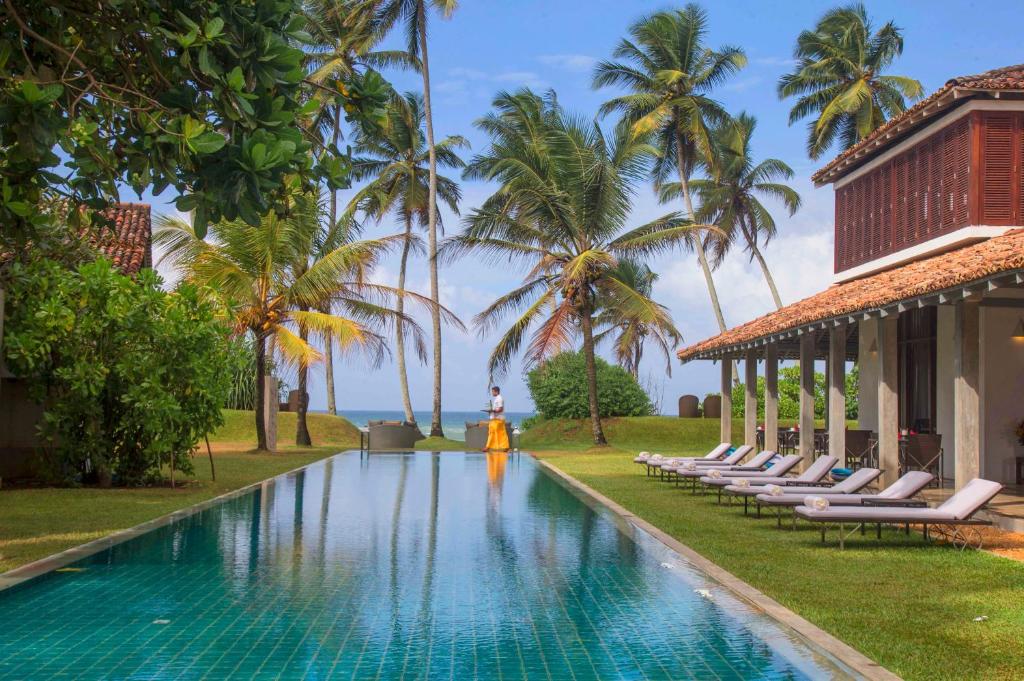
The Frangipani Tree by Edwards Collection, located on the serene shores of Thalpe Beach, stands out as an exquisite eco-friendly hotel in Sri Lanka. This boutique hotel, with its elegant design and tranquil beachfront setting, offers a peaceful retreat away from the hustle and bustle. The use of open spaces and natural materials in its architecture creates a seamless blend with the surrounding coastal environment, providing guests with a luxurious yet intimate connection with nature.
Eco-friendly Features and Practices
The Frangipani Tree’s commitment to environmental sustainability is evident in several aspects:
- The hotel incorporates eco-friendly practices in its operations, such as water conservation and energy efficiency, to minimize its impact on the environment.
- Use of locally sourced and sustainable materials in its construction and decor, supporting local artisans and reducing the carbon footprint.
- Initiatives to protect the marine environment and local wildlife, emphasizing responsible and sustainable tourism.
Unique Amenities or Experiences Offered
Guests at The Frangipani Tree can enjoy a variety of eco-conscious amenities and experiences:
- Rooms and suites that offer stunning ocean views and are designed to provide luxury in harmony with the environment.
- Personalized dining experiences featuring fresh, locally sourced seafood and ingredients, celebrating the culinary traditions of Sri Lanka.
- Activities such as yoga sessions by the beach, turtle conservation projects, and exploration of the nearby coral reefs, offering an immersive experience in the natural beauty of Thalpe Beach.
Awards or Recognitions for Sustainability
The eco-friendly initiatives of The Frangipani Tree have been recognized through:
- Awards and recognitions for its sustainable practices and contributions to environmentally responsible tourism.
- Praise for its efforts in promoting eco-friendly luxury travel in Sri Lanka.
Guest Experiences
Review 1: “An exquisite beachfront eco-retreat. The Frangipani Tree’s approach to sustainability is impressive, and the turtle conservation project was inspiring. The tranquil beach setting is perfect for relaxation.”
Review 2: “Staying at The Frangipani Tree was a dream. The eco-friendly design of the hotel and the focus on sustainable practices add to its charm. The staff’s hospitality and the beachside yoga sessions were amazing.”
Review 3: “A beautiful and serene eco-friendly hotel. The rooms offer stunning ocean views, and the commitment to environmental sustainability is commendable. The fresh seafood and organic dining options were delightful.”
A stay at The Frangipani Tree by Edwards Collection is not just a vacation; it’s an opportunity to experience sustainable luxury at one of Sri Lanka’s most beautiful beachfront locations. The hotel’s dedication to environmental stewardship, combined with its bespoke amenities and serene setting, provides a perfect destination for eco-conscious travelers seeking a tranquil and sustainable beach getaway. It exemplifies how luxury and environmental responsibility can coexist, offering an eco-friendly experience that is both indulgent and mindful of the planet.
Eco-Friendly Products and Practices in Sri Lankan Hotels
Introduction to Eco-Friendly Products in Sri Lanka
Sri Lanka’s commitment to sustainability is evident not just in its natural beauty, but also in the range of eco-friendly products used within its hospitality sector. These products range from organic toiletries to sustainably sourced furnishings, all contributing to a greener tourism experience.
Sustainable Amenities in Sri Lankan Hotels
Organic Toiletries: Many eco-friendly hotels in Sri Lanka are moving away from chemical-based products and towards organic toiletries. These include items like shampoos, soaps, and lotions made from natural ingredients, often sourced locally to support local businesses and reduce transportation emissions.
Eco-friendly Bedding and Linens: Hotels often use bedding and linens made from organic cotton or bamboo fibers. These materials are not only sustainable but also enhance guest comfort with their natural softness and breathability.
Handcrafted Décor and Furnishings: Embracing local artisanship, many hotels feature décor and furniture made from reclaimed or locally sourced materials. This not only reduces the carbon footprint but also helps in preserving and promoting Sri Lankan craftsmanship.
Food and Beverage: A Focus on Local and Organic
Locally Sourced Cuisine: Emphasizing the farm-to-table concept, these hotels offer menus featuring locally sourced, organic ingredients. This practice supports local farmers and reduces the environmental impact associated with long-distance food transportation.
Organic Tea and Coffee: Being one of the largest tea producers, Sri Lankan hotels often provide guests with locally sourced organic tea, along with organic coffee, both of which are grown using sustainable farming practices.
Waste Management and Recycling Practices
Comprehensive Recycling Programs: Eco-friendly hotels in Sri Lanka have robust recycling programs, ensuring minimal waste goes to landfills. This includes recycling of glass, paper, and plastics.
Food Waste Management: Innovative composting practices and food waste reduction strategies are common. Some hotels even use food waste as compost for their organic gardens.
Energy and Water Conservation Techniques
Solar Energy Utilization: Many hotels harness solar power for heating and electricity, reducing reliance on non-renewable energy sources.
Water Conservation Systems: Rainwater harvesting and greywater recycling systems are implemented to conserve water – a crucial resource on the island.
Supporting Local and Sustainable Tourism
Hotels often engage in practices that support the local community and environment. This can range from offering tours that highlight local culture and nature to engaging in community service and environmental conservation projects.
The Future of Eco-Friendly Hospitality in Sri Lanka
The integration of eco-friendly products and practices in Sri Lankan hotels is not just a trend but a commitment to sustainable tourism. These practices not only enhance the guest experience but also contribute to the preservation of Sri Lanka’s natural and cultural heritage.
For further reading on sustainable practices and products, readers can explore the article on sustainable architecture, which provides insights into how sustainability is being integrated into building design and construction, mirroring the efforts seen in the hospitality industry.
Additionally, a deeper understanding of eco-friendly practices globally can be gained from authoritative resources such as the United Nations Environment Programme, which offers extensive information on environmental sustainability and responsible consumption.
Eco Tourism in Sri Lanka
Eco-tourism in Sri Lanka is an approach to travel that focuses on responsible tourism practices, emphasizing the conservation of natural resources, the well-being of local communities, and the provision of educational experiences for travelers. This section delves into the concept of eco-tourism in Sri Lanka, including the unique concept of eco-tourism villages, and explores how eco-friendly hotels are integral to this sustainable travel movement.
Understanding Eco-Tourism in Sri Lanka
Definition and Principles
Conservation: Supporting the protection of natural areas and wildlife.
Cultural Respect: Promoting and respecting local traditions and cultures.
Community Involvement: Ensuring that the local community benefits from tourism.
Eco-Tourism Activities
Wildlife Safaris: Exploring national parks like Yala and Wilpattu.
Nature Hikes: Trekking in areas like Sinharaja Forest Reserve.
Cultural Tours: Visiting ancient sites and learning about local heritage.
What is an Eco-Tourism Village?
An eco-tourism village in Sri Lanka is a community that has developed tourism in a way that prioritizes sustainability, cultural preservation, and the environment. These villages provide an immersive experience, allowing visitors to engage with local communities and understand their way of life in harmony with nature.
The Role of Eco-Friendly Hotels in Eco-Tourism
|
Eco-Friendly Hotels |
Contribution to Eco-Tourism |
|---|---|
|
Sustainable Practices |
Incorporating eco-friendly operations that minimize environmental impact. |
|
Cultural Integration |
Offering experiences that reflect local traditions and lifestyles. |
|
Educational Opportunities |
Educating guests about sustainability and conservation efforts. |
|
Supporting Local Communities |
Engaging in practices that benefit local populations economically and socially. |
|
Conservation Initiatives |
Participating in or supporting local environmental conservation projects. |
Eco-tourism in Sri Lanka, supported by eco-friendly hotels and eco-tourism villages, offers a sustainable approach to exploring this beautiful island. It’s a model that not only enhances the tourist experience but also ensures the preservation of Sri Lanka’s natural and cultural treasures for future generations.
Selecting the Right Eco-Friendly Hotel
Choosing the right eco-friendly hotel involves more than just picking a place to stay; it’s about finding accommodation that aligns with your personal values and sustainability goals. Here are some tips to help you select an eco-friendly hotel that meets your criteria for a sustainable and enjoyable stay.
Assessing Eco-Credentials
Look for Certifications: Check if the hotel has eco-certifications from reputable organizations like Green Globe or LEED. These certifications are a testament to the hotel’s commitment to environmental standards.
Research Their Sustainability Practices: Read up on the hotel’s website or contact them directly to understand their sustainability initiatives, such as energy and water conservation, waste reduction, and use of renewable energy sources.
Evaluating Environmental Practices
Energy Efficiency: Check if the hotel uses renewable energy sources, such as solar or wind power, and employs energy-saving measures like LED lighting and sensor-based systems.
Water Conservation Efforts: Look for hotels that have water-saving practices, such as low-flow showerheads, rainwater harvesting, and wastewater recycling systems.
Waste Management: A commitment to reducing, reusing, and recycling waste is a key aspect of an eco-friendly hotel.
Considering Social Responsibility
Community Engagement: Eco-friendly hotels often support local communities through employment, sourcing local products, or community projects. Choose hotels that contribute positively to the local economy and culture.
Promoting Local Culture and Heritage: Opt for hotels that integrate local art, architecture, and culinary experiences, offering an authentic and culturally rich stay.
Personal Preferences and Amenities
Align with Your Interests: Whether it’s a beachfront eco-resort, a jungle lodge, or an urban green hotel, ensure the location and setting align with your personal travel preferences.
Check for Eco-Friendly Amenities: Some hotels offer organic bedding, natural toiletries, and other eco-friendly amenities. Ensure these align with your expectations for comfort and sustainability.
Read Reviews and Feedback
Guest Reviews: Look at reviews from previous guests to gauge their experiences regarding the hotel’s eco-friendly practices and overall service quality.
Expert Opinions: Check travel blogs, eco-tourism websites, and sustainable travel guides for expert opinions and recommendations on eco-friendly hotels.
Selecting the right eco-friendly hotel requires a bit of research and understanding of what sustainability means to you as a traveler. By considering these factors, you can ensure that your stay contributes positively to the environment and local communities, aligning with your sustainability goals and providing a fulfilling travel experience.
Eco-Friendly Adventures and Activities in Sri Lanka
Sri Lanka, with its rich biodiversity and stunning landscapes, offers a plethora of eco-friendly adventures and activities. This section highlights various adventure hotels and nature resorts, along with eco-friendly activities and experiences available in their vicinity.
Adventure Hotels and Nature Resorts
1. Jetwing Vil Uyana, Sigiriya
Nearby Eco-Activities: Explore the ancient Sigiriya Rock Fortress, engage in bird watching, or take guided nature walks around the hotel’s private nature reserve.
2. Tri Lanka, Koggala Lake
Eco-Experiences: Enjoy kayaking and bird-watching around Koggala Lake, or participate in yoga and wellness programs within the resort.
3. Ulagalla by Uga Escapes, Anuradhapura
Adventures Nearby: Visit the historical city of Anuradhapura, or take a safari in Minneriya National Park to see elephants and other wildlife.
4. The Rainforest Ecolodge, Sinharaja
Rainforest Explorations: Immerse in guided rainforest treks in the Sinharaja Forest Reserve, a UNESCO World Heritage Site, and discover its unique flora and fauna.
5. Wild Coast Tented Lodge, Yala
Wildlife Safaris: Experience thrilling safaris in Yala National Park, famous for its leopard population, and participate in conservation activities.
6. Cinnamon Wild Yala
Nature and Wildlife: Enjoy bird-watching and nature trails within the resort, or venture out for a safari in the nearby Yala National Park.
7. Heritance Kandalama, Dambulla
Cultural and Nature Tours: Explore the Dambulla Cave Temple and take eco-walks around the Kandalama reservoir.
8. Santani Wellness Resort and Spa, Kandy
Wellness and Nature: Engage in holistic wellness activities and explore the nearby tea estates and lush greenery of Kandy.
9. Gal Oya Lodge, near Gal Oya National Park
Unique Wildlife Experiences: Take part in boat safaris to see swimming elephants and enjoy nature walks with indigenous Vedda community members.
10. The Frangipani Tree by Edwards Collection, Thalpe Beach
Beachside Eco-Activities: Participate in turtle conservation projects, enjoy snorkeling and explore the coral reefs, or relax with yoga by the beach.
Eco-friendly adventures in Sri Lanka are not just about thrill and excitement; they are about connecting with nature and understanding the importance of its preservation. These adventure hotels and nature resorts offer experiences that allow travelers to immerse themselves in the natural beauty of Sri Lanka while maintaining a commitment to environmental sustainability.
Travel Tips and Safety in Sri Lanka
Traveling to Sri Lanka can be a mesmerizing experience, but it’s important to consider safety and sustainability aspects to ensure a fulfilling journey. This section addresses common safety queries and offers tips for sustainable travel in Sri Lanka.
Addressing Safety Concerns
Is Travel to Sri Lanka Safe?
Sri Lanka is generally considered safe for tourists. However, it’s always prudent to stay updated with travel advisories from your government or international bodies. Political stability and local conditions can change, so staying informed is key.
Which Part of Sri Lanka is Safest?
Tourist destinations like Colombo, Galle, Kandy, and areas around national parks are known to be safe for travelers. However, exercise the usual precautions you would when traveling anywhere – safeguard your belongings, avoid isolated areas at night, and stay informed about the local situation.
Tips for Sustainable and Safe Travel
Respect Local Customs and Traditions
Sri Lanka has a rich cultural heritage. Respect local customs, dress modestly, especially when visiting religious sites, and always ask for permission before taking photographs of people.
Eco-Friendly Transportation
Opt for public transportation, shared rides, or eco-friendly vehicles. Many areas in Sri Lanka are well-connected by buses and trains, which are a sustainable and immersive way to travel.
Support Local Businesses
Choose local eateries, stay in locally-owned hotels, and buy from local artisans. This not only gives you an authentic experience but also helps to support the local economy.
Be Conscious of Your Environmental Impact
Practice responsible tourism by minimizing waste, avoiding single-use plastics, and not disturbing wildlife or natural habitats.
Stay Healthy
Drink bottled or purified water, eat freshly cooked food, and carry a basic first-aid kit. Be mindful of the sun and stay hydrated, especially when traveling in coastal or dry regions.
Stay Connected
Keep your mobile phone charged and carry a local SIM card for easy communication. Inform someone of your itinerary and check-in regularly.
Travel Insurance
Ensure you have comprehensive travel insurance that covers medical emergencies, trip cancellations, and any adventure activities you plan to undertake.
Traveling to Sri Lanka can be a safe and incredibly rewarding experience, especially when approached with an awareness of sustainability and local culture. By following these tips, you can enjoy the beauty and hospitality of Sri Lanka responsibly and safely.
Best Times and Locations for Eco-Friendly Travel in Sri Lanka
Sri Lanka, known for its diverse landscapes and rich cultural heritage, offers a variety of eco-friendly travel experiences throughout the year. Understanding the best times to visit and the most suitable locations for eco-friendly travel can greatly enhance your trip.
Best Time to Visit Sri Lanka
What is the Best Month to Visit Sri Lanka?
Sri Lanka generally experiences two monsoon seasons affecting different parts of the island at different times. The best time to visit the west and south coasts and hill country is from December to March, while the best weather on the east coast is from April/May to September.
For wildlife enthusiasts, the dry season (May to September) is ideal for visiting national parks like Yala and Udawalawe when animals are more likely to be spotted near water bodies.
Eco-Friendly Travel Locations in Sri Lanka
Avissawella
Seethawaka Wet Zone Botanic Gardens: A haven for nature lovers, offering a glimpse into the country’s rich plant life.
Eco-Friendly Stays: Look for eco-lodges and resorts that focus on sustainability and offer immersive nature experiences.
Colombo
Urban Green Spaces: Explore eco-parks and green spaces within the city.
Eco-Friendly Hotels: Choose hotels that practice sustainability, such as rainwater harvesting, solar energy use, and waste reduction.
Cultural Attractions: Visit local markets and cultural sites, ensuring your visit supports the local economy.
Kandy
Royal Botanical Gardens: A testament to biodiversity conservation.
Eco-Friendly Accommodations: Stay in eco-resorts or lodges that offer organic dining and wellness experiences, and are engaged in local conservation efforts.
Community Tours: Participate in tours that support local communities and sustainable tourism practices.
Other Notable Locations
Sigiriya and Dambulla: Known for their historical sites and eco-resorts that blend cultural tourism with environmental consciousness.
Galle: Offers a mix of cultural heritage and eco-friendly beach resorts.
Nuwara Eliya: The hill country known for its tea plantations and eco-friendly lodges offering breathtaking views and nature walks.
Selecting the right time and location for your visit to Sri Lanka can significantly impact your eco-friendly travel experience. By planning your trip during the optimal months and choosing destinations that align with sustainable tourism practices, you can enjoy the diverse beauty of Sri Lanka while contributing positively to the preservation of its natural and cultural heritage.
Environmental Challenges and Solutions in Sri Lanka
Sri Lanka, while known for its stunning natural beauty, faces several environmental challenges. Understanding these challenges and the role of eco-friendly hotels in addressing them is crucial for sustainable development in the country.
Main Environmental Problems in Sri Lanka
Deforestation and Loss of Biodiversity
Sri Lanka’s rich biodiversity is threatened by deforestation for agriculture, urban development, and illegal logging. This loss of forest cover endangers the habitat of many species.
Waste Management Issues
The increase in tourism and urbanization has led to challenges in waste management. Improper disposal and lack of recycling facilities are major concerns, particularly in coastal areas.
Water Pollution and Scarcity
Pollution from industrial and agricultural runoff is affecting water quality. Additionally, certain regions face water scarcity issues, exacerbated by climate change.
Air Pollution
Urban areas, particularly Colombo, are experiencing increasing levels of air pollution, mainly due to vehicle emissions and industrial activities.
Eco-Friendly Hotels as Part of the Solution
Promoting Sustainable Practices
Eco-friendly hotels adopt sustainable practices like water conservation, solar energy usage, and waste reduction, setting an example for other sectors.
Supporting Local Ecosystems
Many eco-resorts actively participate in reforestation and conservation projects, contributing to the preservation and restoration of local ecosystems and wildlife habitats.
Educating Guests and Communities
These hotels often take an active role in educating guests and local communities about environmental issues and sustainable practices, raising awareness and fostering a culture of conservation.
Implementing Responsible Waste Management
By prioritizing recycling and composting, eco-friendly hotels help mitigate the waste management issues, reducing the environmental footprint of tourism.
Collaborating with Local Communities
Eco-hotels often work closely with local communities, promoting sustainable tourism that benefits both the environment and local economies.
The environmental challenges faced by Sri Lanka require collective action and innovative solutions. Eco-friendly hotels, through their sustainable operations and community engagement, play a vital role in addressing these challenges. By choosing to stay in these accommodations, tourists can contribute to a more sustainable and environmentally conscious tourism industry in Sri Lanka.
Price Comparison and Booking Tips for Eco-Friendly Hotels
Use Specialized Travel Platforms: Look for travel websites that specialize in eco-friendly and sustainable accommodations.
Compare Prices Across Different Websites: Check various booking platforms to compare prices and find the best deals.
Book Directly with the Hotel: Sometimes booking directly with the hotel can offer you a better rate or special packages that are not available elsewhere.
Check for Eco-Certifications: Hotels with reputable eco-certifications may offer higher standards of sustainability and are often worth the price.
Consider Off-Peak Travel: Traveling during off-peak seasons can be more affordable and also more sustainable, as it helps in reducing tourist crowding.
Choosing eco-friendly hotels in Sri Lanka is more than a mere preference; it is a significant step towards responsible and sustainable travel. These hotels are not just about offering a place to stay; they represent a commitment to preserving Sri Lanka’s rich natural beauty and cultural heritage. By opting for such accommodations, travelers play a crucial role in supporting environmental conservation, reducing the tourism industry’s ecological footprint, and promoting local communities’ economic well-being.
Eco-friendly hotels in Sri Lanka showcase how luxury and comfort can coexist with sustainability. They are pioneers in implementing practices like energy and water conservation, waste reduction, and supporting biodiversity, which are essential for tackling environmental challenges. Moreover, they offer unique experiences that allow travelers to connect with nature, understand local cultures, and gain insights into sustainable living.
As a traveler, choosing eco-friendly accommodation is a powerful decision. It not only enhances your travel experience but also contributes to a larger movement of sustainable and responsible tourism. By opting for these sustainable travel options, you support innovative solutions that prioritize the environment and local communities, ensuring that the beauty and diversity of Sri Lanka can be enjoyed by future generations.
Eco-friendly hotels in Sri Lanka are not just places to stay; they are integral to a sustainable travel ethos that respects and preserves the unique environmental and cultural landscapes of this beautiful island nation. As you plan your travels, consider these eco-conscious options and be a part of the positive change towards a more sustainable and responsible tourism industry.
FAQs about Eco-Friendly Travel in Sri Lanka
1. What makes a hotel in Sri Lanka eco-friendly?
Eco-friendly hotels in Sri Lanka are characterized by their sustainable practices, such as using renewable energy, water conservation, waste reduction, and promoting local culture and biodiversity.
2. Are eco-friendly hotels more expensive than regular hotels?
While some eco-friendly hotels are luxury resorts, there are also budget-friendly options available. The cost often reflects the quality of amenities and the level of commitment to sustainable practices.
3. Can I participate in any eco-friendly activities while staying at these hotels?
Yes, many eco-friendly hotels in Sri Lanka offer activities like wildlife safaris, nature walks, cultural tours, and community engagement programs.
4. How do I ensure that my trip to Sri Lanka is eco-friendly?
To ensure an eco-friendly trip, choose accommodations and tour operators with credible eco-certifications, engage in activities that support conservation efforts, use resources like water and electricity judiciously, and respect local customs and natural habitats.
5. What kind of wildlife can I expect to see in Sri Lanka?
Sri Lanka is known for its rich biodiversity. Travelers can spot a wide range of wildlife including elephants, leopards, various bird species, whales, and dolphins, especially in national parks like Yala, Udawalawe, and marine sanctuaries along the coast. Eco-friendly tours provide opportunities to see these animals in a responsible and non-intrusive manner.


Leave a Comment