


Contents
- 1 What is Recycling?
- 2 Purpose of Recycling
- 3 How Is Recycling Done? – stages of recycling
- 4 Benefits of Recycling
- 5 Frequently Asked Questions About Recycling
- 5.1 How Does Recycling Save Energy?
- 5.2 What Are the Other Options Besides Recycling for Waste Management?
- 5.3 Why is it important to only put recyclables in the recycling bin?
- 5.4 What items should never be put into recycling bins?
- 5.5 What is composting? Is it really beneficial for the environment? How do I do it?
What is Recycling?
Recycling is the process of converting waste materials that can be reprocessed into various products through various physical and chemical processes and reintroducing them into the production process. In other words, recycling involves taking materials that have become waste after use and subjecting them to various physical and chemical processes to turn them back into raw materials for manufacturing.
The need for recycling emerged due to resource shortages caused by wars.
Purpose of Recycling
The purpose of recycling is to prevent the unnecessary use of resources and reduce the amount of waste generated. Materials such as glass, paper, aluminum, composite materials, steel, wood, plastic, batteries, electronic waste, motor oil, etc., can be recycled, playing a significant role in the country’s economy.
Recycling also helps address issues such as the storage and transportation of solid waste in countries.
Recycling also reduces the amount of foreign currency spent on imported scrap materials to meet a country’s resource needs.
Recycling operates on a win-win principle. Through recycling, resources are used more efficiently, and less energy, less water, fewer trees are consumed, and less carbon emissions are generated during the production process.
As an example, when used paper is reintroduced into the paper manufacturing process, it reduces air pollution by 74-94%, water pollution by 35%, and water usage by 45%.
How Is Recycling Done? – stages of recycling
The recycling process consists of four stages:
- Source Separation: Recyclable waste materials are separated from general waste at the source where they are generated.
- Sorting: Recyclables are sorted by type (paper, metal, glass, plastic, composite, etc.) at collection and sorting facilities.
- Processing: After being separated at the source, recyclables are subjected to physical and chemical processes at recycling facilities to turn them into raw materials.
- Reintroduction into the Economy: Recycled materials are used in the production of new products.
Benefits of Recycling
Recycling helps conserve natural resources, achieve energy and water savings, and reduce carbon emissions. It also extends the lifespan of landfill sites by reducing the amount of waste sent to them.
Recycling is an investment in the future, provides employment, and contributes to the economy.
Recyclable Materials
- Chemical waste
- Glass
- Paper
- Aluminum
- Plastic
- Batteries
- Motor oil
- Accumulators (rechargeable batteries)
- Vehicle tires
- Rubber
- Concrete
- Organic waste
- Electronic waste
- Iron
- Textiles
- Wood
- Metal
Non-Recyclable Items
These are materials that do not break down or cannot be recycled in the natural environment for extended periods. Such materials can harm the environment and lead to the accumulation of waste. Here are some materials that cannot be recycled:
- Cardboard cups
- Single-use hygiene products
- Disposable batteries
- Radioactive waste
- Asbestos
- Chemical waste
- Elastic and rubber products
4M Green Creativity Recycled Paper Beads Kit

The 4M Recycled Paper Beads Kit transforms paper strips into colorful, recycled works of art. The Recycled Paper Beads Kit teaches the value of recycling in a hands-on way.
Simply insert strips of paper into the tool and turn the handle to create decorative paper beads.
The paper bead tool fits most plastic bottle designs. Detailed instructions for use and care are included. Recommended for ages 5 years and up.
Recycling Methods
Recycling methods differ depending on the type of material being processed. Each material, such as aluminum, glass, paper, and plastic, undergoes its own unique recycling processes tailored to its properties and characteristics.
Aluminum:
The recycling process of aluminum is quite simple. Waste aluminum is broken down into small pieces. These pieces are then melted in large furnaces to produce molten aluminum. This way, aluminum is recycled.
When 10 aluminum beverage cans are recycled, it saves enough energy to power a 100-watt light bulb for 35 hours or a TV for 30 hours.
Concrete:
Concrete pieces are collected from demolition sites and taken to crushing machines. After being crushed, the pieces can be used as gravel or, if they don’t contain additives, as dry mortar.
Paper:
First, paper is separated into its fibers by soaking it in water. Then, sodium hydroxide or sodium carbonate is used to separate the ink. The recycled paper fibers are used in the production of recycled paper, but paper cannot be continuously recycled. With each recycling, the fibers get shorter, and new materials need to be added for bonding to produce new paper.
Recycling 1 ton of paper saves enough energy to power a 60-watt light bulb for about 6,000 hours.
Plastic:
Plastic waste is first sorted by type (PET, PE, PS, PVC, PP) and subjected to the recycling process. Once sorted, the recyclable plastic waste is crushed into small pieces in crushing machines. Businesses can use these pieces either by mixing them directly with the original raw material in certain proportions or by melting them again and adding additives to use as secondary raw material.
Recycled plastics can be used to produce a wide range of new plastic products, including industrial fibers, coats, bags, hard hats, grocery cart handles, school and office supplies, golf and tennis equipment, garbage bins, garden furniture, cornerstones, plant pots, benches, car parts, water meter boxes, buckets, carpet materials, and drainage pipes, among others.
PET recycling, for example, can be used to make products such as carpet backing, sleeping bags, insulation for jackets, car parts, paintbrush bristles, life jackets, bags, mailboxes, picnic tables, fences, hiking boots, dual-compartment buckets, laser toner cartridges, belts, and geotextiles.
Glass:
Glass waste is collected in containers according to their colors and is taken to recycling facilities, where contaminants and additives are removed. Crushed glass is mixed with raw material in melting furnaces. About 30% recycled glass is added to glass asphalt.
Every three glass containers you use, at least one is made from recycled glass. Glass packaging uses glass bottles and jars made from recycled glass. Other types of glass, due to differences in their raw materials, are not included in this process.
Recycling one glass bottle saves enough energy to power a 100-watt light bulb for 4 hours.
Why Is Recycling Important?

The benefits of recycling are extensive, and when people adopt recycling as a daily habit, everyone benefits. Whether it’s a community effort to beautify a littered neighborhood street or a larger-scale effort to help a business save hundreds to thousands of dollars in waste management, the advantages of a good recycling program are endless.
Environmental Benefits of Recycling
- Preventing millions of tons of materials from entering landfills and saving space for other non-purposeful waste.
- Reducing the need to extract, refine, and process raw materials that significantly contribute to air and water pollution. Pollutants released into the air and water can be greatly reduced with the increase in recycling.
- Contributing to the fight against climate change by conserving energy. Recycling reduces greenhouse gas emissions, as less energy is needed to produce new products from recycled materials.
- Lowering energy consumption significantly. When we recycle, we use far less energy than creating products from raw materials. Recycling significantly reduces the daily energy used for different purposes.
- Conserving natural resources by reducing the need to extract fresh raw materials. Recycling used materials reduces the need for mining and forestry, preserving natural habitats and resources for future generations.
- Preserving the beauty of the world by minimizing landfill areas, which can be both an eyesore and an environmental threat.
- In terms of energy, recycling one glass bottle can power a 100-watt light bulb for 4 hours.
Economic Benefits of Recycling
- Recycling contributes to the circular economy, where everything is considered a resource, not waste. Well-run recycling programs are cost-effective for governments, taxpayers, and business owners.
- Research indicates that continuing to increase positive recycling habits in the United States could create over a million jobs. For every job created in the waste management industry, recycling creates four jobs.
- Recycling is cheaper than waste collection and disposal. Therefore, the more you recycle and the less you throw in the trash, the more money households, businesses, and local public services can save.
- When materials are recycled locally, they create new jobs in the community and build a better future for everyone.
- Your recycling efforts also open the door to a greener future by creating new businesses related to collecting, transporting, processing, manufacturing, packaging, and selling recycled products.
Suggestion: You can start recycling and get awards by Terracycle Recycling Awards.
Frequently Asked Questions About Recycling
How Does Recycling Save Energy?
Recycling saves energy by reducing the need to extract, refine, and process raw materials, which are energy-intensive processes. For example, mining, refining metals, and cutting down trees to produce new products require significant amounts of energy. When we recycle, we use already processed materials, so we save energy by skipping these energy-intensive steps.
Recycling also reduces energy consumption in the manufacturing process itself. For instance, recycling aluminum requires only about 5% of the energy needed to produce aluminum from raw bauxite ore. Similarly, recycling paper uses significantly less energy compared to making paper from wood pulp.
Recycling contributes to energy savings, which in turn helps reduce greenhouse gas emissions and combat climate change.
What Are the Other Options Besides Recycling for Waste Management?
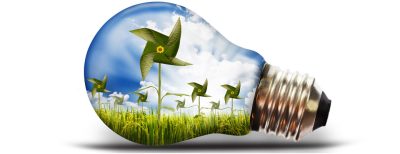
The most effective way to reduce waste and its environmental impact is not to create it in the first place. Reducing waste through reusing materials and reducing consumption is the most preferred strategy for protecting natural resources, the environment, and saving money. Creating new products requires a substantial amount of materials and energy, including the extraction of raw materials and their transportation.
To find out your local recycling options, please contact your local municipality or waste management authority.
Why is it important to only put recyclables in the recycling bin?
Putting non-recyclables in the recycling bin can contaminate the recycling stream. These non-recyclable items can cause costly damage to recycling facilities once they arrive. Additionally, they need to be sorted and then sent to landfills or disposal facilities, increasing the overall cost of the facility. Therefore, it’s important to make sure that specific items are accepted in your recycling bin before putting them there. Some items may be accepted at retail drop-off locations or at local recycling centers.
Furthermore, some recycling providers require that different types of materials are separated (multi-stream recycling), while others may accept mixed materials in the same bin (single-stream recycling).
What items should never be put into recycling bins?
- Garden hoses
- Sewing needles
- Bowling balls
- Food-contaminated paper
- Propane tanks or cylinders
- Non-empty aerosol cans
Many communities have hazardous waste collection programs to reduce potential harm from these chemicals. Additionally, please contact your local waste authority to find out how to properly dispose of these items in your area. Some items can be accepted at local retail drop-off locations or recycling centers. Items like syringes, broken glass, and spent lightbulbs should not go into recycling or regular waste streams to avoid injury to waste collection workers. It’s essential to consult your local waste authority for information on proper disposal methods for these materials.
What is composting? Is it really beneficial for the environment? How do I do it?
Composting is the natural process of breaking down organic waste materials into nutrient-rich compost, which is a valuable soil conditioner. During this process, food scraps, garden waste, leaves, and other organic materials decompose in a manner that mimics natural decomposition processes in nature. Compost improves soil fertility, enhances water retention, and promotes plant growth. Additionally, composting helps divert organic waste from landfills, which has a positive environmental impact.
If you want to start composting, here are some basic steps:
- Select a composting location: Choose a well-drained area in your yard or garden for your compost pile or bin.
- Collect compostable materials: Gather kitchen scraps (fruit and vegetable peels, coffee grounds, eggshells), yard waste (leaves, grass clippings, small branches), and other organic materials (paper towels, cardboard).
- Create layers: Alternate between layers of green materials (kitchen scraps and fresh yard waste) and brown materials (dry leaves, shredded newspaper, cardboard).
- Maintain moisture: Keep your compost pile consistently moist, similar to a wrung-out sponge.
- Turn the pile: To aerate the compost and speed up decomposition, turn the pile regularly with a pitchfork or compost aerator.
- Wait for decomposition: Composting can take several months to a year, depending on factors like temperature and the size of the pile. When it’s ready, your compost will be dark, crumbly, and have a pleasant earthy smell.
Composting has several benefits, including reducing waste sent to landfills, improving soil health, and reducing the need for chemical fertilizers. It’s an environmentally friendly way to manage organic waste and enrich your garden soil.


Leave a Comment