


Contents
- 1 Vegan Leather: A Sustainable Alternative to Animal-Based Materials
- 2 Vegan Leather Alternatives
- 3 FAQS for Vegan Leather
- 3.1 What Are the Advantages of Using Vegan Leather?
- 3.2 How Does the Production of Vegan Leather Impact the Environment?
- 3.3 How Durable Are Vegan Leather Products Compared to Genuine Leather?
- 3.4 Are There Any Eco-Friendly Vegan Leather Brands?
- 3.5 Can Natural Vegan Leather Be Recycled or Repurposed?
- 3.6 Are There Any Innovations in the Production of Vegan Leather Materials?
Vegan Leather: A Sustainable Alternative to Animal-Based Materials
The term “vegan” is often associated with dietary choices, but the impact of animal exploitation extends beyond the realm of food. Nearly every industry relies on animal-derived raw materials and products, making it essential to consider the ethical aspects of our consumption.
One of the primary sectors that has historically relied on animal exploitation for centuries is the textile industry. Products made from animal skins such as fur, leather, nubuck, and suede raise ethical and moral concerns. Similarly, textiles derived from animals, such as feathers, wool, silk, and angora, are considered non-vegan due to the exploitation involved in their production.
Materials like leather from animal hides are commonly used in the production of accessories such as bags, wallets, and shoes. Imagine wearing the skin of a cow on your arm or donning a pair of shoes made from a cow’s tail. While all products made from animal hides are equally disconcerting, they are often presented to consumers in different forms, which can make it easy to forget that their source is animal skin.
Choosing not to turn a blind eye to this cruelty and refusing to be a part of this vicious cycle of consumption can bring immense relief to your conscience.
Living in an era of technological advancements offers us the privilege of using innovative and alternative products. Numerous innovative textile designs and alternative leather substitutes have been developed to curtail the use of animal-derived materials in the textile industry and, in turn, reduce carbon emissions.
Vegan leather alternatives can be categorized into two main groups: natural and synthetic. While synthetic substitutes, made from non-natural and non-biodegradable materials, often involve the use of toxic chemicals and materials like plastic, they don’t entirely align with the vegan philosophy.
In contrast, natural vegan leather substitutes represent a remarkable eco-conscious choice. These materials not only align with ethical and sustainable principles but also contribute positively to the environment. They are produced without relying on toxic chemicals, ensuring that the manufacturing process is free from harmful agents that can harm ecosystems.
Let’s delve deeper into the fascinating world of natural vegan leather alternatives. These innovative materials are designed to harmonize with the principles of compassion and environmental preservation, offering a guilt-free and sustainable alternative to traditional leather products. Throughout this article, we will introduce you to these remarkable substitutes, showcasing their unique qualities and the positive impact they can have on the planet.
Vegan Leather Alternatives
Mushroom Leather
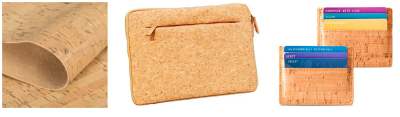
One of the finest leather alternatives is mushroom leather. How is mushroom leather made? When an oak tree reaches 25 years of age, the bark layer is harvested from the tree without causing any harm. The harvested part is not the mushroom itself but rather its mycelium, the root structure. After sterilizing these roots, they are pressed onto fabric, flattened, and dried, resulting in mushroom leather material.
Mushroom leather boasts a natural appearance and is eco-friendly, durable, and waterproof. What’s more, it is entirely biodegradable and environmentally friendly. This versatile material can be used to create a wide range of textile products, including wallets, bags, shoes, accessories, toys, lamps, and much more.
Wood Leather
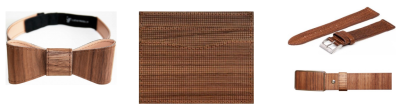
Another innovative leather alternative is wood leather. This material is primarily made from walnut trees cultivated in sustainable, large agricultural areas. Ecological fabrics and wood threads are combined to create this material.
Non-toxic adhesives are used during production, and, in the final stage, flexible and soft leather-like material is obtained through a micro-laser method. This material contributes to reducing carbon emissions due to its eco-friendly production process.
Apple Leather
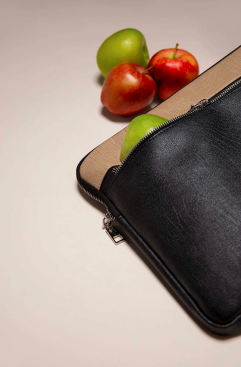

Another innovative leather alternative is apple leather. The journey of apple leather begins with sourcing and drying waste materials, including apple peels, cores, and fibers. Once dried, these materials are combined with eco-friendly, non-toxic polyurethane, and laminated onto recycled cotton and polyester fabric. Depending on the desired thickness and density, the resulting material can be adapted.
Apple leather is breathable, durable, biodegradable, and free from toxic chemicals. It is now widely used in the production of various fashion accessories and items.
Cactus Leather
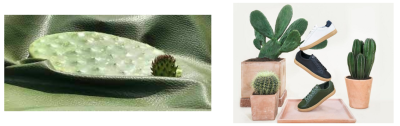
Cactus leather is a sustainable alternative made from organic cacti grown in cactus farms without the use of pesticides. During the production process, no toxins are employed, and cacti continue to grow unharmed after leaf harvesting. Cacti have adapted to thrive in extremely arid conditions, making them water-efficient. The production of cactus leather involves minimal water consumption, making it an eco-friendly option.
These natural vegan leather substitutes represent an innovative and ethical shift away from traditional animal-derived materials. By supporting these eco-friendly products, you can embrace a cruelty-free and sustainable lifestyle while promoting innovative ideas. Moreover, by sharing your findings with those around you, you can help expand the network of conscious consumers. Love and kindness multiply when shared. Stay tuned to explore more eco-conscious alternatives!
Certainly, beyond their eco-friendly nature, natural vegan leather substitutes also boast remarkable versatility and a wide range of applications. From fashion accessories to upholstery and automotive interiors, these materials provide an array of options for conscious consumers and industries alike.
With a growing focus on sustainability and ethical practices, natural vegan leather substitutes are gaining prominence, not only for their environmental benefits but also for their adaptability to diverse design and manufacturing needs. This makes them a compelling choice for anyone seeking style, comfort, and an eco-conscious lifestyle.
Absolutely, in recent years, the demand for natural vegan leather substitutes has surged as the world becomes more conscientious about sustainability. Ethical fashion brands are incorporating these alternatives into their collections, offering consumers stylish, cruelty-free choices.
Moreover, innovative startups and established manufacturers are continually exploring ways to improve the quality and variety of vegan leather materials to meet the rising demand from various industries. This movement towards sustainable, animal-friendly alternatives not only benefits the planet but also encourages responsible consumer choices.
The ongoing research and development in the field of natural vegan leather substitutes hold great promise for the future. As technology advances and eco-friendly materials become more accessible, the potential for a world where sustainable fashion, upholstery, and products are the norm becomes increasingly tangible. With ongoing efforts to minimize environmental impact, the adoption of natural vegan leather substitutes is a significant step towards a more ethical and eco-conscious future.
FAQS for Vegan Leather
What Are the Advantages of Using Vegan Leather?
Vegan leather offers several advantages, making it a popular choice for conscious consumers. Firstly, it’s cruelty-free, as it doesn’t involve the use of animal hides, reducing harm to animals. Secondly, it’s more environmentally friendly, as it doesn’t contribute to deforestation or excessive water use, unlike traditional leather production. Additionally, it often comes with a lower price tag, making it more accessible to a wide range of consumers.
Lastly, vegan leather materials can be tailored to mimic the look and feel of real leather, providing a stylish and ethical alternative.
How Does the Production of Vegan Leather Impact the Environment?
The production of vegan leather typically has a lower environmental impact compared to traditional leather. Most vegan leather is made from materials like polyurethane, which is less resource-intensive to produce. Moreover, it doesn’t require the rearing and processing of animals, reducing greenhouse gas emissions and the need for extensive land use. Some natural vegan leather substitutes, like mushroom leather, are even biodegradable, further decreasing their ecological footprint.
However, it’s essential to consider the environmental effects of any specific vegan leather material, as the sustainability can vary depending on the manufacturing process and raw materials use.
How Durable Are Vegan Leather Products Compared to Genuine Leather?
The durability of vegan leather products can vary depending on the quality of the material and how well the product is made. In general, high-quality vegan leather products are designed to be as durable as genuine leather counterparts. They are often resistant to wear and tear, water, and UV exposure. However, some low-quality vegan leather items may not hold up as well over time.
It’s essential to consider the craftsmanship and materials when purchasing vegan leather products. With proper care, such as regular cleaning and conditioning, vegan leather items can have a long lifespan and remain in excellent condition.
Are There Any Eco-Friendly Vegan Leather Brands?
Yes, there are several eco-friendly vegan leather brands dedicated to sustainability and ethical practices. Brands like “Matt & Nat,” “Stella McCartney,” and “MATT & NAT” have made significant strides in producing vegan leather products while minimizing their environmental impact.
They often utilize recycled materials, avoid harmful chemicals, and implement responsible manufacturing processes. These brands prioritize both style and sustainability, making them an excellent choice for eco-conscious consumers seeking fashionable and cruelty-free alternatives.
Can Natural Vegan Leather Be Recycled or Repurposed?
Yes, natural vegan leather can often be recycled or repurposed. Since it’s typically made from eco-friendly and biodegradable materials, it can be broken down and reused in various ways. Recycling programs for vegan leather products are emerging in response to the growing demand for sustainable practices.
Many eco-conscious consumers and brands are actively exploring ways to recycle or repurpose vegan leather items, further reducing their environmental impact.
Are There Any Innovations in the Production of Vegan Leather Materials?
Yes, there are continuous innovations in the production of vegan leather materials. Researchers and manufacturers are actively developing new techniques and materials to enhance the quality, sustainability, and versatility of vegan leather.
These innovations include the use of agricultural byproducts, such as mushroom mycelium and apple waste, to create unique and eco-friendly vegan leather options. As technology advances, we can expect more creative and sustainable alternatives to traditional animal leather.




Leave a Comment