

Contents
What is Biotin?
Biotin, also known as vitamin H or B7, is one of the B-complex vitamins that helps the body convert food into energy. Biotin is one of the eight B vitamins. The letter “H” for biotin is derived from the German word “Haar und Haut,” which means “hair and skin.”
The word “Biotin” comes from the ancient Greek word “biotos,” which means “life” or “sustenance.” B vitamins, and particularly biotin, contribute to the health of your skin, hair, eyes, liver, and nervous system. Biotin is also important for embryonic growth, making it crucial during pregnancy.
Most people obtain the biotin they need through a healthy diet. However, there are claims that taking more biotin can help regulate blood sugar, support healthy hair, skin, and nails, and aid in healthier pregnancies.
Biotin is a water-soluble vitamin. The body does not store water-soluble vitamins, so people need to get them from their diet.
Biotin is necessary for the function of several enzymes known as carboxylases. These enzymes are involved in essential metabolic processes, such as the production of glucose and fatty acids.
Biotin deficiency is quite rare, but mild deficiencies can develop in certain individuals, such as pregnant women and heavy alcohol consumers. Additionally, regularly consuming raw eggs can lead to biotin deficiency because raw egg whites contain a protein called avidin that binds to biotin and prevents its absorption. Cooking eggs inactivates avidin.
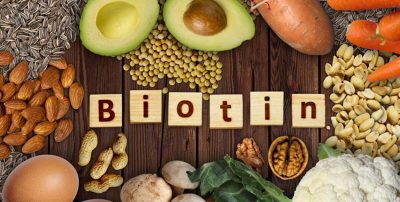
Maintaining a healthy biotin level can be achieved by consuming foods such as meat, eggs, fish, seeds, nuts, and some vegetables. However, many people choose to take biotin supplements as a daily addition to their diet.
What Does Biotin Do?
Biotin plays a role in maintaining several essential systems in your body. Like other B vitamins, it helps your body use enzymes and transport nutrients within the body. In addition, biotin can provide the following health benefits:
- Diabetes Management: Studies suggest that biotin may help manage diabetes symptoms in some individuals by regulating blood sugar levels. B vitamins, including biotin, also support healthy brain function, which can help manage neurological symptoms of diabetes, such as neuropathy (nerve damage or dysfunction).
- Hair Health: Biotin is known for its positive effects on hair. Research indicates that biotin can improve hair health, including shine, volume, and scalp coverage, particularly in women experiencing hair thinning.
- Healthy Skin and Nails: Biotin has been shown to contribute to skin hydration, smoothness, and appearance. Some studies also suggest that biotin can strengthen nails and promote faster nail growth. Biotin is a versatile addition to your beauty routine.
- Prenatal Care: Biotin is essential for a healthy pregnancy. Studies show that a biotin deficiency, which is relatively common among pregnant women, can lead to health issues in developing babies. Therefore, pregnant women should consume biotin-rich foods regularly and consider taking biotin supplements.
As with any supplement, be sure to consult your doctor before using it.
Symptoms of Biotin Deficiency:
-
- Thinning hair
- Scaly skin rashes around the eyes, nose, and mouth
- Brittle nails
- Hair discoloration
- Fragile hair
- Loss of appetite
- Nausea
Foods High in Biotin:
Some of the best sources of biotin include legumes, egg yolks, yeast, salmon, almonds, avocados, peanuts, nuts, spinach, soybeans, oats, wheat, mushrooms, and beef liver. Animal-based foods like beef liver and egg yolks are especially rich in biotin.
Daily Biotin Requirements:
The daily requirement for biotin varies depending on age, gender, and individual health. It ranges from approximately 5 micrograms for babies to 30 micrograms for adults, and up to 35 micrograms for pregnant or breastfeeding women.
Best Biotin Tablets:
Some of the well-known and preferred brands for biotin supplements include Nature’s Supreme, Nature’s Bounty, Solgar, Natural Nest, New Life, Ocean, One Up, Suda Collagen, and Supradyn.
Here are details about two popular biotin supplement brands:
- Natrol Biotin
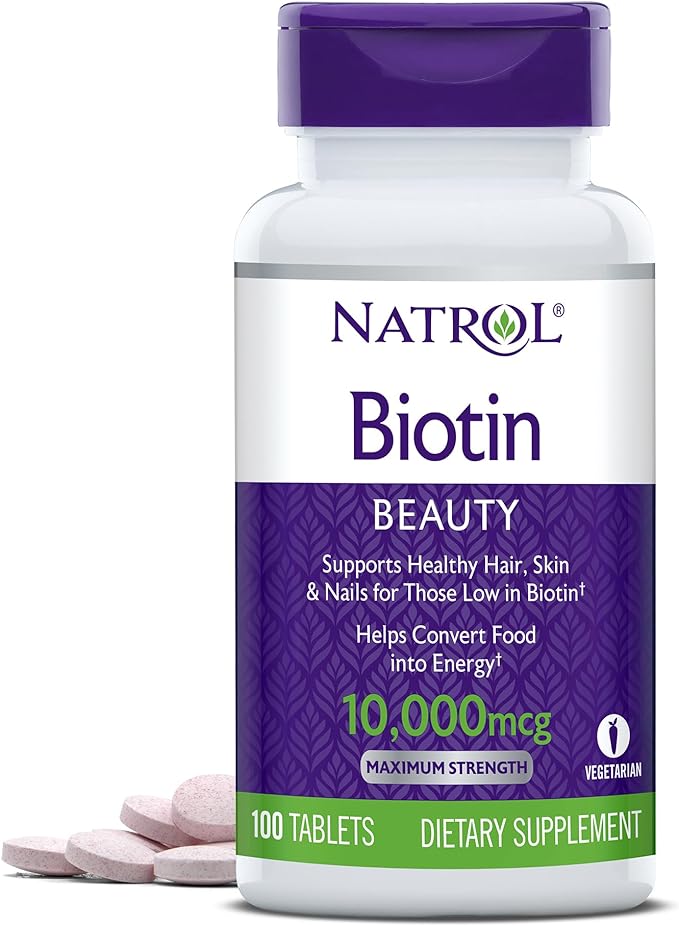
- Contains 10,000 mcg of biotin per vegetable capsule.
- Suitable for vegetarian and vegan use due to its vegetable capsule.
- Care for your body with dietary supplements made with 100% drug-free, non-GMO ingredients.
User Review
- I have used other brands of biotin for years now. I’ve bought from Walgreens, Costco, and the health store. Every time I use a new brand, I am never sure if I see results (which probably meant they weren’t working.) This is the ONLY brand of biotin that has ever yielded NOTICEABLE results for me. I am very satisfied with this product. I have recommended this biotin to my friends, and would recommend it to anyone. Of the four brands of biotin I have tried, this is the only one that works for me, and it works wonders. So glad I came across it.
- Solgar Biotin
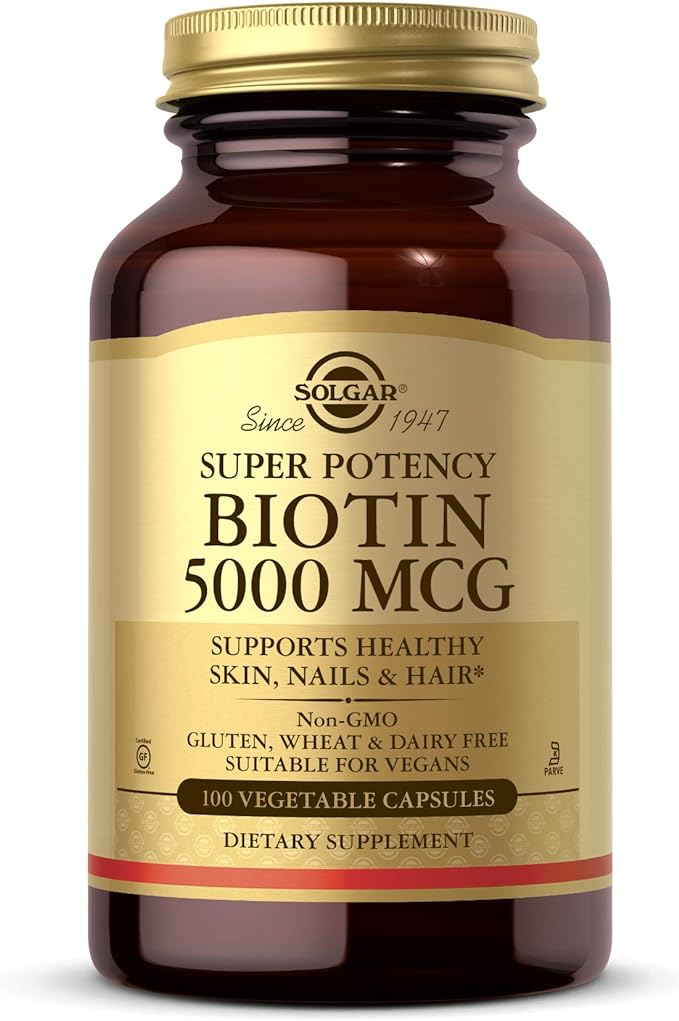
- Comes in a bottle with 100 vegetable capsules.
- Contains 5,000 mcg of biotin per daily serving.
- Suitable for vegetarian use due to its vegetable capsule.
- Provides daily biotin requirements.
User Review
- I buy a packet every 2-3 months and store it. It’s great for my hair and nails. I used to have very thin nails that peeled off in layers, and I couldn’t grow them. Solgar biotin was a lifesaver; I highly recommend it.”
When Should You Take Biotin?
For adults aged 11 and over, it is recommended to take one tablet of biotin daily after meals.
Who Should Take Biotin Supplements?
Generally, you do not need a biotin supplement unless you have a deficiency in this vitamin. If you are considering biotin for hair, skin, or nail health, it’s essential to explore ways to include biotin-rich foods in your diet first. Opting for foods rich in vitamins can provide additional proteins and healthy fats beneficial to your hair, skin, and nails. Any weaknesses in these areas that cannot be improved with biotin supplementation may indicate underlying health conditions.
Are Biotin Supplements Safe?
Taking biotin supplements, even at higher doses, poses minimal risk for most people. Studies have shown that it’s safe to take up to 300 milligrams (300,000 micrograms) of biotin daily for up to six months. However, experts often recommend lower doses, such as around 2.5 milligrams daily.
How Is Biotin Deficiency Diagnosed?
The most effective way to diagnose a biotin deficiency is through a biotin blood test. This test measures the level of biotin (Vitamin H) in your blood, confirming the deficiency. The test measures the degree of biotin deficiency based on the test result.
Potential Risks of Biotin:
Biotin provides various health benefits and is crucial for overall bodily functions. Research suggests that biotin supplementation carries very little risk, even at high doses. Biotin is a water-soluble vitamin, and it is nearly impossible to overdose because your body eliminates excess biotin through urine.


Leave a Comment