



Renewable energy, also known as green energy due to its eco-friendly nature, refers to sustainable energy sources that can be replenished repeatedly using existing resources. These energy sources produce significantly lower levels of CO2 emissions compared to fossil fuels such as coal, oil, and natural gas during their production, making their environmental impact minimal. As traditional energy sources continue to deplete, the importance of renewable energy sources continues to grow.
Renewable energy sources worldwide include:
Contents
Solar Energy
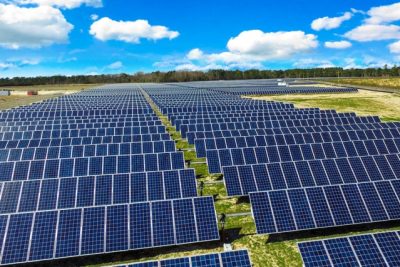

Solar energy is one of the leading renewable energy sources globally. The sun, which makes up 90% of its mass from protons, is a vital resource for all living organisms on Earth. Researchers estimate that the hydrogen fuel in the sun will last for about 5 billion years, making solar energy an inexhaustible and sustainable energy source for generations to come.
Solar energy is considered a clean energy source as it does not contain harmful substances such as gases, smoke, or sulfur.
Solar energy can be adopted by all countries, allowing them to reduce their dependence on external energy sources and contribute to their own economies by meeting their energy needs domestically. Unlike other energy generation systems, solar energy is not reliant on any transportation infrastructure. Consequently, it can provide energy to the installed region without external contributions. This energy source does not require high-level technology, and it can be easily installed and converted into heat and electricity through panels.
Wind Energy


Wind energy is generated by constructing turbines in high-altitude areas. The power of the wind is converted into electrical energy through the conversion of kinetic energy in the air.
As technology has advanced, the predictability of wind power has improved, making this renewable energy source increasingly efficient. Wind energy can be produced using various types of wind turbines, including micro, small, horizontal-axis, vertical-axis, and inclined-axis wind turbines.
Like solar energy, wind energy reduces a country’s external dependence, and its costs are relatively low.
Hydropower
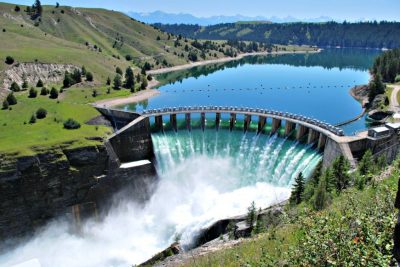
Hydropower derives energy from rivers. During the production of hydropower, the kinetic energy released by the flow of water is sent to turbines through constructed channels. Hydropower is highly efficient when installed in areas with strong water flow.
Hydropower can be easily switched on and off as needed, providing ease of use and security. In addition to energy production, it is also preferred for irrigation purposes.
Geothermal Energy
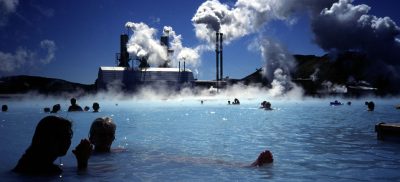

Geothermal energy relies on underground water sources. In this system, energy is obtained from underground water or its steam. Geothermal energy can be used directly or indirectly, either by directly harnessing local resources or indirectly through other means. It is a primary clean energy source used in many countries.
Biomass Energy

Biomass energy is derived from biological waste materials, primarily from the combustion of plant and animal residues. Biomass energy can be used and stored anywhere, and it can be built to suit the desired size.
One notable advantage of biomass energy is its versatility, as it can be utilized to produce electricity, heat, or biofuels, making it suitable for a wide range of energy needs.
Biomass energy is considered renewable and environmentally friendly because it recycles carbon dioxide during its lifecycle, making it a valuable contributor to sustainable energy solutions.
Hydrogen and Tidal Energy


Hydrogen energy is produced by processing hydrogen gas from water and hydroxides, while tidal energy is generated using the pressure created by waves in oceans and seas. These are other alternative energy sources.
Tidal energy systems typically involve underwater turbines or tidal stream generators placed in strategic locations where tidal currents are strong, making use of the predictable and consistent nature of tidal movements for sustainable power generation.
Utilization of Renewable Energy Sources
After answering the question of what renewable energy sources are used worldwide, another important question is where these sources are used. Renewable energy sources are utilized in significant areas such as industrial facilities, transportation, lighting, electronic devices, and heating.
Expanding upon the discussion of renewable energy sources and their usage, it’s essential to explore where these sustainable energy sources are applied. Renewable energy sources find application in various sectors and play a crucial role in addressing energy needs while reducing environmental impact.
Renewable energy sources are employed in diverse fields, including but not limited to:
Power Generation: Renewable energy is widely harnessed for electricity production. Solar panels, wind turbines, and hydropower plants are prominent examples used to generate clean electricity for residential, commercial, and industrial purposes.
Transportation: Electric vehicles (EVs) are increasingly popular, powered by electricity generated from renewable sources. Additionally, biofuels derived from biomass are utilized as an eco-friendly alternative in some transportation modes.
Lighting: Energy-efficient lighting solutions, such as LED (Light Emitting Diode) technology, are often powered by renewable energy sources, reducing energy consumption and emissions.
Residential and Commercial Heating: Renewable energy can provide heat and hot water for homes and businesses through technologies like solar thermal systems and geothermal heat pumps.
Industrial Processes: Industries can benefit from renewable energy through the integration of sustainable power sources to reduce their carbon footprint and energy costs.
Agriculture: Renewable energy can power agricultural machinery, irrigation systems, and facilities, contributing to sustainable and eco-friendly farming practices.
Water Purification: Renewable energy can be used to power water treatment plants, making clean drinking water more accessible and sustainable.
Data Centers: Renewable energy is increasingly used to power data centers and server farms, minimizing their environmental impact.
Remote and Off-Grid Areas: Renewable energy sources are especially valuable in remote and off-grid locations where conventional energy infrastructure is lacking or expensive to establish.
Emergency Power: Renewable energy sources like solar and wind generators can provide essential power during emergencies and natural disasters when conventional power grids are disrupted.
The widespread adoption of renewable energy sources across these sectors not only reduces greenhouse gas emissions but also enhances energy security and sustainability. As technology advances and awareness of environmental concerns grows, the applications of renewable energy are expected to continue expanding, leading to a more sustainable and cleaner energy future.