


Silicone, often used in various household and food-related products, has gained popularity for its unique properties such as flexibility, durability, and resistance to extreme temperatures. However, when it comes to its environmental impact, silicone is not the most eco-friendly material available. In this article, we will explore the ecological aspects of silicone, its alternatives, and whether you should use silicone products.
Contents
What Is Silicone?
Silicone is a material that mimics many properties of plastic, including strength and texture, but it has a different chemical composition. It is primarily made from silica, a substance found in sand, which provides silicone with its durability and ability to withstand a wide range of temperatures. Unlike most plastics, silicone remains stable in both freezing and high-temperature conditions.
Is Silicone Eco-Friendly?
Silicone’s environmental credentials are not ideal. The production of silicone relies on hydrocarbons derived from petroleum, an unsustainable resource. Additionally, silicone is not easily recyclable, and most recycling facilities do not accept it. While silicone is a more durable material compared to plastic, it is not entirely eco-friendly.
Silicone’s long lifespan and reusability can reduce waste, making it a better option for eco-conscious individuals and businesses seeking alternatives to single-use plastics. In terms of safety, silicone is less likely to pose health risks compared to plastic, which often contains harmful chemicals like phthalates that can leach into food.
Is Silicone Biodegradable?
Silicone is not biodegradable, but it is less likely to break down and be discarded than plastic. Unlike some natural materials that break down over time when exposed to environmental conditions, silicone remains relatively stable and does not decompose naturally. While it is more durable and longer-lasting than certain plastics, its lack of biodegradability means that it can persist in the environment, contributing to waste and pollution if not properly managed and recycled.
Are There Silicone Alternatives?
When considering materials to replace silicone, there are several alternatives that can be explored, each with its own set of advantages and environmental considerations:
- Bioplastics:
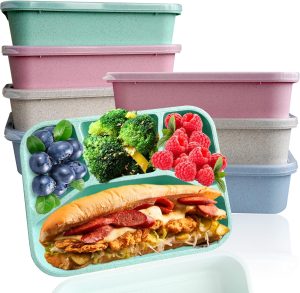
- Sourced from Natural Resources: Bioplastics are produced by converting sugars found in crops, making them more eco-friendly compared to petroleum-based plastics.
- Sustainability and Renewability: The manufacturing process for bioplastics is more sustainable as long as these crops are available, providing an ongoing source of raw materials.
- Compostable and Biodegradable: Bioplastics naturally break down in a shorter time frame than traditional plastics or silicone, reducing their impact on landfills and minimizing contributions to plastic pollution. They are a suitable option for various applications, particularly in food packaging.
- Glass: Glass is a versatile alternative to silicone, offering its own unique set of advantages. Glass shares some similarities with silicone, such as resistance to chemical contamination and the ability to withstand extreme temperatures. Key environmental benefits of using glass include:
- Recyclability: Glass is highly recyclable and can be used to create new products, reducing the need for new resources and decreasing waste.
- Durability: Glass containers are known for their durability and can be reused multiple times, making them a long-lasting choice.
- Reduced Environmental Impact: Glass is a more eco-friendly option, as it is less prone to environmental degradation and can be safely recycled.
- Paper-Based Materials: Paper and cardboard provide an eco-friendly alternative to silicone, especially in the context of packaging materials. These materials offer the following advantages:
- Biodegradability: Paper and cardboard are biodegradable, meaning they naturally break down over time, reducing their environmental impact.
- Recyclability: They are highly recyclable, making them a sustainable choice that minimizes waste.
- Renewable Resources: Paper and cardboard are sourced from renewable materials, primarily trees, which can be replanted, ensuring a continuous supply.
- Natural Fiber-Based Materials: Materials made from natural fibers, such as cotton or hemp, are another alternative to silicone, especially in textiles and certain product applications. These materials have specific environmental advantages:



-
- Biodegradable: Natural fiber-based materials break down naturally, contributing to reduced waste and environmental impact.
- Sustainability: They are often sourced from renewable crops, making them a sustainable choice.
- Low Environmental Impact: Natural fibers typically have a smaller ecological footprint compared to petroleum-based materials like silicone or plastic.
There are several silicone alternatives to consider, each with its own strengths and suitable applications. The choice of alternative material should be based on the specific requirements of the product and its intended use, as well as environmental goals and sustainability considerations. By making informed decisions, individuals and businesses can reduce their reliance on less eco-friendly materials like silicone and contribute to a more sustainable future.
Should You Use Silicone Products?
When deciding whether to use silicone products, it’s important to consider their role and the specific use case. In food preparation, silicone products can make sense due to their durability and reusability. For transportation and food storage, avoiding plastic whenever possible is recommended to preserve the freshness of perishable items. Glass containers can be a good option for home use, while businesses and food outlets may benefit from eco-friendly takeaway packaging made from natural materials.
Silicone Food Storage Bags
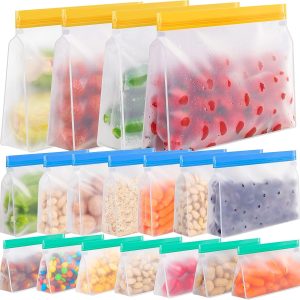

The reusable Ziplock bags are the best option for food storage and sustainability. With their reliable locking mechanism, eco-friendly design, and convenient size options, these bags offer a fantastic solution for preserving freshness while reducing single-use plastic waste.
These reusable storage bags are PVC-free, lead-free, chloride-free and BPA FRE and recyclable material.
User Review
- The reusable Ziplock bags have truly transformed my approach to food storage and sustainability. With their reliable locking mechanism, eco-friendly design, and convenient size options, these bags offer a fantastic solution for preserving freshness while reducing single-use plastic waste.
One of the standout features of these reusable bags is their exceptional locking capability. The zip closure system is sturdy and reliable, ensuring a tight seal that keeps food items fresh and prevents leaks or spills. I’ve used these bags for a variety of purposes, from storing leftovers to organizing snacks for on-the-go, and they consistently maintain a secure closure, providing peace of mind and convenience.
The eco-friendly nature of these bags is a significant advantage. By opting for reusable bags instead of single-use plastic alternatives, I’m actively reducing my environmental impact and contributing to a more sustainable future. These bags are made from durable, food-grade materials that are free from harmful chemicals, making them a safe and eco-conscious choice for everyday use.
Additionally, the reusable Ziplock bags come in a variety of sizes, accommodating different storage needs. Whether I need to store a small portion of fruits, pack a sandwich for lunch, or keep a larger quantity of snacks for a road trip, there is a size option available to suit my requirements. This versatility ensures that I can efficiently organize and store various food items without the need for disposable alternatives.
While the locking mechanism of these bags is excellent, one minor drawback is that they can take a bit longer to dry after washing. Due to their durable construction, the bags can retain some moisture in the crevices and require additional time to fully air dry. However, this is a minor inconvenience compared to the overall benefits and longevity of these reusable bags.
Furthermore, these bags are remarkably easy to clean. They can be hand washed with warm soapy water or placed in the dishwasher for added convenience. The durable materials withstand repeated use and cleaning, ensuring that the bags can be used for an extended period, further reducing waste and saving money in the long run.
Is It Safe to Cook in Silicone?
Cooking with silicone is generally considered safe and has become increasingly popular due to its unique properties. Silicone cookware and bakeware are heat-resistant, non-stick, and flexible, making them suitable for various culinary applications. Silicone’s heat resistance typically ranges from -40°C to 230°C (-40°F to 446°F), allowing it to withstand the high temperatures of ovens and even microwave ovens.
One of the key advantages of cooking with silicone is that it doesn’t release harmful chemicals when exposed to heat, unlike some other cookware materials. It doesn’t leach into food or produce toxic fumes, making it a safe choice for food preparation. Additionally, silicone’s non-stick surface reduces the need for cooking oils, promoting healthier cooking methods.
However, it’s important to ensure that the silicone cookware you use is of high quality and food-grade. Low-quality or non-food-grade silicone may not offer the same safety standards. Be sure to follow the manufacturer’s guidelines for safe use and maintenance to ensure the longevity of your silicone cookware. A
lways inspect your silicone cookware for any signs of damage or wear, as damaged silicone could potentially leach into food.
When used correctly and with high-quality materials, cooking with silicone is a safe and convenient choice for many cooking and baking tasks.
Is Silicone Microwave Safe?
Silicone is generally considered microwave-safe and is commonly used in microwave cookware and utensils. It is heat-resistant and can withstand the microwave’s high temperatures. However, it’s essential to use microwave-safe silicone products specifically designed for microwave use, as not all silicone is created equal.
When using silicone in the microwave, make sure the product is free of any damage, such as cracks or tears, as these can compromise its safety. Additionally, avoid using silicone products with metal components or decorations, as metal can cause sparks in the microwave. Always follow the manufacturer’s guidelines and recommendations for safe microwave use. Overall, as long as you choose the right silicone products and handle them appropriately, silicone is a safe and convenient option for microwave cooking and heating.
Is Silicone Dishwasher Safe?
Silicone is generally considered dishwasher safe, which is one of its appealing features. Most silicone kitchen utensils, bakeware, and cookware can be safely placed in the dishwasher for easy and convenient cleaning. However, it’s crucial to check the manufacturer’s instructions for each specific silicone product, as some may have recommendations for hand washing to prolong their lifespan.
When using the dishwasher, place silicone items on the top rack to avoid direct exposure to high heat near the dishwasher’s heating element. Avoid using harsh detergents or abrasive scrubbers, as these can damage the silicone’s surface over time. In general, with proper care and attention to the manufacturer’s guidance, silicone products can be safely and effectively cleaned in the dishwasher, making them a practical choice for many kitchen applications.