


Contents
- 1 Is MAC Cruelty-Free and Vegan?
- 2 Understanding Cruelty-Free and Vegan Terms
- 3 MAC’s Cruelty-Free Status
- 4 Is MAC Vegan?
- 5 Comparison with Other Brands
- 6 MAC and Halal Certification
- 7 Sustainability and Environmental Considerations
- 8 Consumer Choices and Alternatives
Is MAC Cruelty-Free and Vegan?
In recent years, the cosmetics industry has witnessed a significant shift in consumer preferences, with an ever-increasing number of people seeking out cruelty-free and vegan products. This change is driven by a growing awareness of animal welfare issues and a broader understanding of the environmental and ethical implications of cosmetic production. Consumers are now more conscious than ever about the ingredients in their makeup and skincare products and the ethics behind their manufacturing processes.
In this evolving landscape, MAC Cosmetics stands out as a brand that has long captured the attention of beauty enthusiasts worldwide. Known for its vibrant color palettes, diverse range of products, and a history of innovation, MAC has established itself as a leader in the cosmetics industry. However, in the face of rising consumer demand for ethical products, questions have been raised about MAC’s practices, particularly concerning their cruelty-free and vegan status.
As we delve into this topic, we’ll explore the intricacies of what it means to be cruelty-free and vegan in the beauty industry and examine how MAC aligns with these values. This discussion is not just relevant for conscious consumers but also for anyone interested in the broader implications of their beauty choices. MAC’s position in this regard offers a window into the challenges and complexities faced by major brands in balancing ethical considerations with market demands.
Understanding Cruelty-Free and Vegan Terms
Before delving into the specifics of MAC Cosmetics’ policies, it’s crucial to clarify what the terms “cruelty-free” and “vegan” signify in the context of cosmetics. This understanding is key to navigating the beauty industry’s complex landscape and making informed choices as a consumer.
What is Cruelty-Free:
The label “cruelty-free” refers to products and ingredients that have not been tested on animals at any stage of product development. This includes the final product, as well as the individual ingredients that comprise it. A cruelty-free commitment means that a company ensures neither their own researchers nor any third parties they may work with engage in animal testing. It’s important to note that a brand’s cruelty-free status can be affected by the markets they operate in, especially if they sell in countries where animal testing is mandated by law.
What is Vegan:
A product is considered vegan if it does not contain any animal-derived ingredients or by-products. This goes beyond the avoidance of traditional ingredients like honey, beeswax, or lanolin. It also includes more obscure animal-derived components often found in cosmetics, such as carmine (a red dye made from beetles) or guanine (a shimmer derived from fish scales). Vegan cosmetics align with a broader lifestyle choice that seeks to minimize harm to animals not just in testing but in all aspects of production.
The Importance for Ethical Consumers:
For ethical consumers, these terms are not just labels but are representative of deeper values. Choosing cruelty-free and vegan cosmetics is a way of taking a stand against animal cruelty and promoting a more humane and ethical approach to beauty. It’s also part of a larger movement towards sustainability and environmental responsibility, as animal agriculture and exploitation are closely linked to ecological concerns. By opting for products that align with these principles, consumers can contribute to a demand for ethical practices in the beauty industry, ultimately driving change towards more animal-friendly and environmentally conscious production methods.
In summary, understanding the definitions and implications of “cruelty-free” and “vegan” is essential for making choices that align with one’s ethical values. As we continue to explore MAC’s stance in this regard, these definitions will provide a framework for evaluating the brand’s policies and practices.
MAC’s Cruelty-Free Status
Understanding MAC Cosmetics’ cruelty-free status requires a detailed examination of the brand’s policies and practices, especially in relation to animal testing. This assessment is complex, influenced by global market dynamics and regulatory environments.
MAC’s Policy on Animal Testing:
MAC Cosmetics states that they do not test on animals and are committed to ending animal testing worldwide. They emphasize their use of human volunteers for product testing. However, the brand’s cruelty-free claims are complicated by their market presence in regions with mandatory animal testing laws.
Presence in the Chinese Market:
A critical factor affecting MAC’s cruelty-free status is their presence in the Chinese market. China has long required foreign cosmetics to be tested on animals as part of its regulatory process. Although recent changes in Chinese regulations have relaxed some mandatory animal testing requirements, they do not completely eliminate the possibility of animal testing, particularly for certain types of cosmetics. Due to MAC’s decision to sell in mainland China, their products are subject to these laws, and thus, they cannot be considered cruelty-free according to the strictest definitions used by advocacy groups.
Insights from Cruelty-Free Advocates:
Resources like Cruelty-Free Kitty and Ethical Elephant provide in-depth analysis and insights into the cruelty-free status of various brands, including MAC. These platforms generally agree that MAC cannot be classified as a cruelty-free brand due to its compliance with animal testing laws in markets like China. They highlight the importance of not only a brand’s internal policies but also the impact of its global business decisions on its cruelty-free status.
While MAC asserts they do not test on animals themselves and are advocates for ending animal testing, their decision to operate in markets where animal testing is required by law means they cannot be considered cruelty-free by the standards of many advocacy groups and consumers who prioritize this aspect. This exemplifies the challenges faced by multinational cosmetics brands in balancing ethical commitments with business strategies in a diverse global market.
Is MAC Vegan?
When evaluating whether MAC Cosmetics is a vegan brand, it’s important to distinguish between a brand being entirely vegan and offering vegan options. This distinction is crucial for consumers who adhere strictly to vegan values.
MAC’s Product Range and Vegan Options
MAC Cosmetics, while not an exclusively vegan brand, does offer a selection of products that are free from animal-derived ingredients. This includes a variety of makeup items such as certain shades of lipsticks, eyeshadows, and foundations. However, the vegan status of these products can vary depending on the specific shades and formulations.
The Case of MAC Studio Fix
MAC Studio Fix is a popular product line from MAC, known for its wide range of shades and high-quality finish. As for its vegan status, it’s essential for consumers to examine the ingredients list of each specific product. Some formulations of MAC Studio Fix may be free from animal-derived ingredients, while others might contain them. This variability is common in large product lines where different shades may require different formulations.
Presence of Animal-Derived Ingredients
Despite having some vegan-friendly options, MAC’s range includes products that contain animal-derived ingredients. Common non-vegan ingredients found in cosmetics include lanolin (from wool), carmine (a red dye derived from cochineal insects), and beeswax. Consumers looking for vegan products need to be vigilant in checking ingredient lists, as these components can be present in various makeup products.
For those committed to using entirely vegan cosmetics, the mixed nature of MAC’s product line can pose a challenge. While the brand offers some vegan-friendly options, the inconsistency across the product range means that careful scrutiny of ingredients is necessary. This can be time-consuming and requires a certain level of knowledge about which ingredients are animal-derived.
Conclusion on MAC’s Vegan Status:
In summary, MAC Cosmetics is not a fully vegan brand, but they do offer a selection of vegan-friendly products. The vegan status of these products is not uniform across the entire range, so consumers looking for vegan cosmetics will need to do their research on a product-by-product basis.
Comparison with Other Brands
To contextualize MAC’s position in the cruelty-free and vegan cosmetics landscape, it’s insightful to compare it with other notable brands like NYX, Fenty Beauty, Charlotte Tilbury, and Clinique. These comparisons help illustrate the varying approaches taken by different companies in the industry.
NYX Cosmetics

NYX is often celebrated for being a cruelty-free brand. They do not test their products or ingredients on animals, nor do they allow others to test on their behalf. Additionally, NYX is PETA certified. When it comes to being vegan, NYX offers a range of vegan products, but the brand is not entirely vegan, similar to MAC.
Fenty Beauty

Fenty Beauty is another brand known for its cruelty-free status. They do not conduct animal testing, nor do they allow their suppliers to test on animals. However, like MAC and NYX, Fenty Beauty is not completely vegan. They offer several vegan products, but not all of their products are free from animal-derived ingredients.
Charlotte Tilbury

Charlotte Tilbury is cruelty-free, not testing their finished products or ingredients on animals. However, their cruelty-free certification is complicated by their decision to sell products in China, where animal testing is required by law, similar to the challenge faced by MAC. Charlotte Tilbury offers a range of vegan products, but the brand as a whole is not exclusively vegan.
Clinique

Clinique is not classified as a cruelty-free brand. Like MAC, they sell their products in mainland China where animal testing is required by law. In terms of vegan products, Clinique offers some options that do not contain animal-derived ingredients, but they are not a fully vegan brand.
Differences and Similarities with MAC’s Policies
MAC shares similarities with these brands in that none are entirely vegan, offering a selection of vegan products within a broader non-vegan range. In terms of cruelty-free status, MAC’s practices are more aligned with Clinique, as both sell in markets where animal testing is required. In contrast, NYX and Fenty Beauty maintain a cruelty-free status without the complexity of the Chinese market.
This comparison shows that the cruelty-free and vegan status in the cosmetics industry is nuanced, with different brands navigating these challenges in various ways. While some, like NYX and Fenty Beauty, maintain a clear cruelty-free status, others like MAC and Clinique face challenges due to their presence in specific markets. The vegan aspect is similarly varied, with most brands offering a mix of vegan and non-vegan products.
MAC and Halal Certification
When discussing the concept of ‘halal’ in cosmetics, it refers to products that are permissible under Islamic law. This involves ensuring that the products do not contain any prohibited (haram) substances like alcohol or ingredients derived from forbidden animals, and that they are manufactured and processed according to Islamic guidelines.
Are MAC Products Halal?
Ingredient Analysis: MAC does not broadly market its products as halal-certified. While some of their products may incidentally meet halal criteria by not containing haram substances, the brand does not specifically formulate its products with halal certification in mind. This means that products may contain ingredients like carmine or alcohol, which are not permissible in halal cosmetics.
Manufacturing Process: Besides ingredients, halal certification also considers the manufacturing process. Without explicit halal certification, it’s challenging to verify whether MAC’s production processes adhere to halal standards.
What This Means for Consumers:
Muslim Consumers: For Muslim consumers who strictly follow halal guidelines, the lack of explicit halal certification from MAC means that they might need to exercise caution. It involves scrutinizing ingredient lists and being aware of the potential presence of non-halal substances.
Transparency and Choice: The absence of halal certification underscores the importance of transparency in cosmetic labeling. Consumers seeking halal products need clear and reliable information to make informed choices that align with their religious and ethical beliefs.
MAC Cosmetics does not specifically position itself as a halal-certified brand. While certain products might incidentally align with halal criteria, the brand as a whole does not cater specifically to this requirement. Consumers seeking strictly halal cosmetics would need to look for brands that offer explicit halal certification or carefully examine product ingredients and manufacturing processes.
Sustainability and Environmental Considerations
In an era where environmental concerns are increasingly at the forefront of consumer consciousness, evaluating the sustainability practices of major brands like MAC Cosmetics is crucial. This examination involves looking at how MAC addresses environmental impact through its production, packaging, and corporate practices.
MAC’s Sustainability Practices
Packaging and Waste Reduction: MAC has shown a commitment to reducing waste through programs like “Back to MAC,” which encourages consumers to return used packaging for recycling. This initiative not only reduces landfill waste but also promotes a circular economy approach.
Product Formulation: In terms of product formulation, MAC is somewhat transparent about its ingredient sourcing. However, there’s room for improvement in terms of using more environmentally friendly ingredients and reducing reliance on chemicals that are harmful to the environment.
Energy and Resource Management: While MAC has made strides in some areas, like recycling, comprehensive information about their energy use, carbon footprint, and water conservation efforts in production is less publicly available. This information is critical for assessing the full extent of a brand’s environmental impact.
The Importance of Sustainability in the Beauty Industry
Consumer Demand: The modern consumer is more environmentally conscious, seeking products that align with their values. This shift has led beauty brands to reconsider their impact on the planet, addressing concerns like carbon emissions, waste reduction, and ethical sourcing.
Impact on Ecosystems: The beauty industry has a significant impact on global ecosystems, from sourcing ingredients to manufacturing processes. Sustainable practices are vital to mitigate this impact, ensuring that beauty products do not contribute to environmental degradation.
Long-Term Viability: For the beauty industry to thrive in a world increasingly affected by climate change, adopting sustainable practices is not just an ethical choice but a business necessity. Brands that fail to adapt may find themselves out of step with market demands and regulatory environments.
MAC Cosmetics has taken steps towards sustainability, particularly in terms of packaging and waste reduction. However, there is a need for greater transparency and broader initiatives to address all aspects of environmental impact fully. The move towards sustainability in the beauty industry is an ongoing process, requiring constant evaluation and adaptation to meet the challenges of an evolving global environment.

Consumer Choices and Alternatives
As awareness about animal welfare and environmental issues grows, many consumers are turning towards vegetarian and vegan alternatives in the cosmetics industry. This shift is not just about personal ethics; it also reflects a broader societal trend towards sustainability and conscious consumption.
Vegetarian and Vegan Alternatives in Cosmetics
Expanding Market: The market for vegetarian and vegan cosmetics is expanding rapidly, with many brands emerging that offer products free from animal-derived ingredients and animal testing.
Diverse Options: These alternatives range from high-end to budget-friendly, ensuring that ethical choices are accessible to a wide range of consumers. They include everything from foundations and lipsticks to skincare and hair care products.
Vegetarian Lipstick Brands
E.l.f. Cosmetics
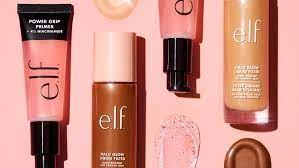
Known for its affordable prices and quality products, e.l.f. offers a range of vegetarian and vegan lipsticks that are also cruelty-free.
Bite Beauty

Specializing in lip products, Bite Beauty is a vegetarian brand that offers lipsticks made with food-grade ingredients.
Tarte Cosmetics

Tarte provides a variety of vegetarian lipsticks with a focus on natural ingredients, though it’s important to check each product for vegan suitability.
Vegan-Friendly Cosmetic Options
Urban Decay

Offers a variety of vegan products, including some iconic lip and eye products.
Too Faced
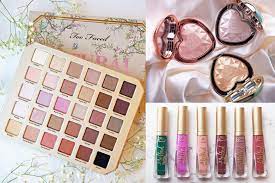
Known for their fun and innovative makeup, Too Faced has a selection of vegan-friendly items.
Pacifica

Entirely vegan and cruelty-free, Pacifica offers a full range of cosmetics, skincare, and fragrances.
Considerations for Consumers
Ingredient Awareness: For those seeking vegetarian and vegan cosmetics, it’s essential to become familiar with ingredient lists to identify animal-derived components.
Certifications: Look for certifications like Vegan Society, Leaping Bunny, or PETA Cruelty-Free to ensure products meet vegetarian and vegan standards.
The cosmetics industry offers an increasing number of vegetarian and vegan alternatives, catering to a growing demographic of ethically minded consumers. These options allow individuals to align their beauty routines with their values, supporting animal welfare and environmental sustainability without compromising on quality or variety.
As we wrap up our exploration into MAC Cosmetics’ position in the cruelty-free and vegan cosmetics market, it’s clear that the brand occupies a complex space. While MAC has made strides in some areas, their overall status is nuanced, reflecting the challenges that large, global beauty brands face in balancing ethical commitments with business operations.
MAC’s Position in the Market
Cruelty-Free Status: MAC is not considered cruelty-free by the strictest standards due to their presence in markets like China, where animal testing is mandated by law.
Vegan Products: MAC offers a selection of vegan-friendly products, but they are not an exclusively vegan brand. This mixed status requires consumers to scrutinize product ingredients individually.
Halal and Sustainability Considerations: The brand does not broadly market itself as halal-certified, and while there are efforts towards sustainability, particularly in packaging, there is room for broader environmental initiatives.
The Importance of Informed Choices
Consumer Power: Consumers wield significant power in influencing brand policies and practices. By choosing cruelty-free and vegan products, they can drive demand for ethical and sustainable practices in the beauty industry.
Navigating Complexity: The beauty industry’s landscape is complex, with varied certifications and definitions. Consumers must remain informed and vigilant, especially when navigating claims of cruelty-free and vegan statuses.
Beyond Labels: Ethical consumerism in the beauty industry goes beyond labels; it’s about understanding the broader impact of these products on animals, the environment, and society.
MAC Cosmetics, like many other brands, is in a transitional phase, navigating the evolving demands of ethical consumerism. The beauty industry as a whole is grappling with these changes, and brands like MAC are at the forefront of this evolution. As consumers continue to advocate for cruelty-free and vegan products, it’s likely that we will see further shifts towards more ethical practices in the industry. Ultimately, informed consumer choices play a pivotal role in shaping a more ethical and sustainable beauty market.




Leave a Comment