

From cows to goats and sheep, the availability of milk is widespread. However, due to the environmental, ethical, and health issues associated with traditional dairy products, alternatives are now more prevalent than ever before.
There is a different and innovative way to enjoy yogurt, cheese, and ice cream without heavy reliance on animals or nuts. This food technology is called “precision fermentation,” utilizing an old technology for a new purpose.
What is Precision Fermentation?
Precision fermentation involves the use of genetically modified microorganisms to produce specific proteins, enzymes, and other components. This is accomplished by inserting genes into the microorganisms’ DNA to enable them to produce the desired product.
The term “precision” refers to the ability to finely control the process, from genetic modification to optimizing fermentation conditions.
What is the Difference Between Fermentation and Precision Fermentation?
The fundamental difference between fermentation and precision fermentation lies in the fact that microorganisms used in precision fermentation are engineered to create a particular end product.
Is Precision Fermentation Sustainable?
Precision fermentation is a sustainable food technology that can produce high-value compounds without relying on traditional agriculture or animal husbandry. It reduces the environmental impact of food and biopharmaceutical production by requiring less land, water, and other resources.
Additionally, precision fermentation can be used to create more sustainable alternatives to traditional products. It can also be employed to produce new therapies with high specificity and efficacy, including biological products, vaccines, and gene therapies.
What are the Advantages of Precision Fermentation?
Precision fermentation offers several advantages over traditional milk production. Firstly, it is more sustainable. Producing dairy products using precision fermentation requires less land, water, and energy compared to traditional methods.
Secondly, it is more ethical. No animals are harmed in the production of dairy products using precision fermentation.
Thirdly, it is more consistent. Products created through precision fermentation are identical to those found in animal-based products, ensuring consistent taste, texture, and nutritional value. Additionally, these products are lactose-free and do not contain cholesterol, growth hormones, or antibiotics.
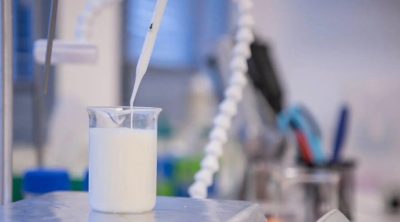
However, there are concerns regarding the safety and regulation of using genetically modified microorganisms for food and drug production within the precision fermentation industry. Rigorous testing and approval processes are necessary, particularly in the biopharmaceutical market.
Moreover, ethical and societal concerns may exist regarding the use of genetically modified microorganisms for food and drug production.
What is the Future of Precision Fermentation in Dairy?
There is currently a positive outlook for the success of these products. Concerned about animal welfare and climate change, vegans, vegetarians, and environmentalists are eager to embrace alternatives to the livestock industry, considered one of the world’s largest sources of greenhouse gases.
While nut milks have offered a solution for dairy products, there has been a lack in texture, taste, and accessibility of milk alternatives like cheese. Precision fermentation products are poised to fill this market gap across all dairy products, offering both a more flavorful and environmentally friendly option.
Major brands have seized the opportunity to use precision fermentation products through deals with companies like Nestlé, Mars, Starbucks, and General Mills.
However, whether these products taste good and truly present an effective and sustainable solution is still undetermined because the industry is still very young. Most companies are currently only producing the basic component, meaning we can expect a wide range of products as food producers start using them in new recipes.
What Regulations Exist for the Precision Fermentation Industry?
As new technologies emerge, regulations are adapting to these advancements. However, due to recent focus on informative and accurate food labeling, it is crucial to monitor what is happening in the precision fermentation world.
For the dairy industry to grow and compete with traditional animal-based dairy, precision fermentation needs broad adoption.
In this context, the industry might outpace regulations in the short term. Presently, it is up to companies to market a product as “lactose-free,” “free from animal content,” “milk alternative,” etc. Additionally, there might come a point where we need to redefine this category as something entirely separate from milk.
Additionally, there is the influence of the powerful cow milk industry. It has fought against plant-based food and beverage companies using common dairy labels like milk and cheese, but so far, it hasn’t been successful.
Matt Herrick, a spokesperson for the International Dairy Foods Association, stated, “Our view is that the FDA needs to develop an approach to labeling that is accurate and not misleading for this technology.”
While the industry is ready for explosive growth as a solution to environmental harm, animal welfare, finding a suitable protein source for underdeveloped communities, and filling a gap in the milk alternative market, the weight of the dairy industry, along with regulatory committees and court battles, seems to hinder growth across the industry.


Leave a Comment